The Multi-Generational Gaming Movement: Connecting Through Play
Discover how families are bridging generational gaps through shared gaming experiences. Explore the rise of multi-generational entertainment and nostalgic games for meaningful connection.

Highlights
- A quiet revolution is underway: grandparents and grandchildren are finding common ground through classic arcade games
- Simple, tactile gameplay transcends the generational divide better than modern complex or mobile games
- Families in the most technologically "connected" era in history still report feeling more distant than ever
- Classic arcade games become a shared language between generations — a genuine bridge, not just entertainment
The Quiet Revolution Happening in Living Rooms Across America
Linda Reynolds remembers the exact moment it happened.
Thanksgiving 2023. Her grandson Ethan, sixteen perpetually glued to his phone sat across from her at the dinner table. They'd exchanged maybe twenty words all evening. Polite. Surface-level. The kind of conversation that leaves you wondering if you really know each other at all.
Then Mark, her husband, mentioned the old arcade days. The corner pizza place with the Galaga machine. Summer nights feeding quarters into Pac-Man. Suddenly, Ethan looked up.
"Wait, you actually played those games? Like, for real?"
What followed wasn't just a conversation. It was a bridge.
Across America, a quiet revolution is unfolding. Grandparents and grandchildren, parents and teens, are discovering something unexpected: the games that defined one generation are becoming the common language of another. Not because anyone is trying to be cool or relevant, but because these experiences - simple, tactile, genuinely fun - transcend the decades that separate us.
The Problem Beneath the Problem: The Illusion of Connection
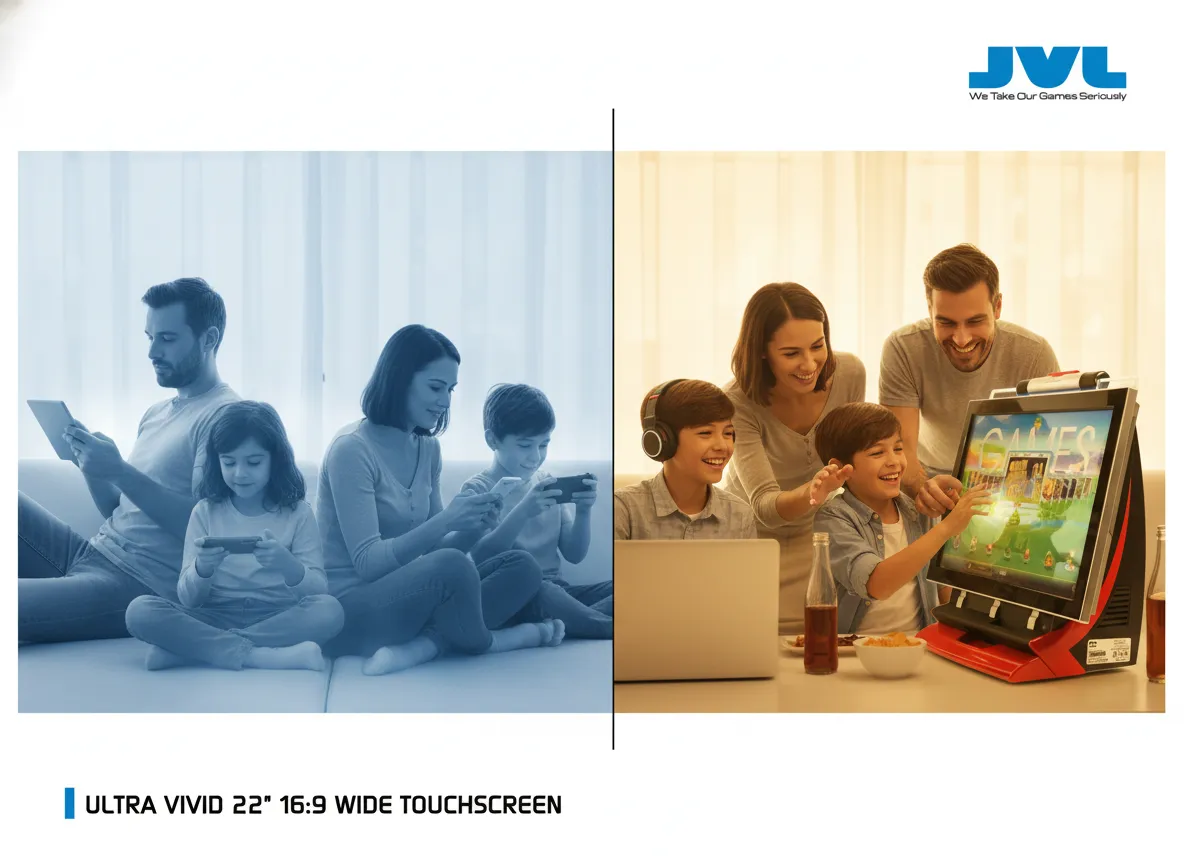
We live in the most "connected" era in human history. Video calls. Group chats. Social media feeds that promise to keep everyone in the loop.
Yet families report feeling more distant than ever.
The irony cuts deep. You can see what your adult daughter had for lunch in Portland while sitting in your home in Pennsylvania, but when she visits for the holidays, you struggle to fill the silence. Your grandkids can stream millions of songs, but you're not sure what they actually like anymore.
The challenge isn't communication - it's meaningful connection.
And here's what most people miss: you can't force genuine connection through forced conversation. Asking "How's school?" for the fourth time doesn't build bridges. Neither does sitting side-by-side, each person absorbed in their own screen, convincing yourself that proximity equals presence.
What creates real connection is shared experience. Not planned. Not performed. Just... together.
Why Multi-Generational Gaming Works (When Nothing Else Does)
Psychologists call it the "reminiscence bump" - the phenomenon where our most vivid memories cluster around ages 10 to 30. The music, the cultural moments, the experiences from those years stay with us, sharper and more emotionally charged than memories from any other period.
For today's grandparents, that bump includes arcade culture. The tactile joy of joysticks and buttons. The simple satisfaction of mastering Frogger or strategizing through poker. These weren't just games, they were social rituals. You met friends there. You belonged.
Now here's what's fascinating: those same games create fresh experiences for younger generations while honoring the memories of older ones.
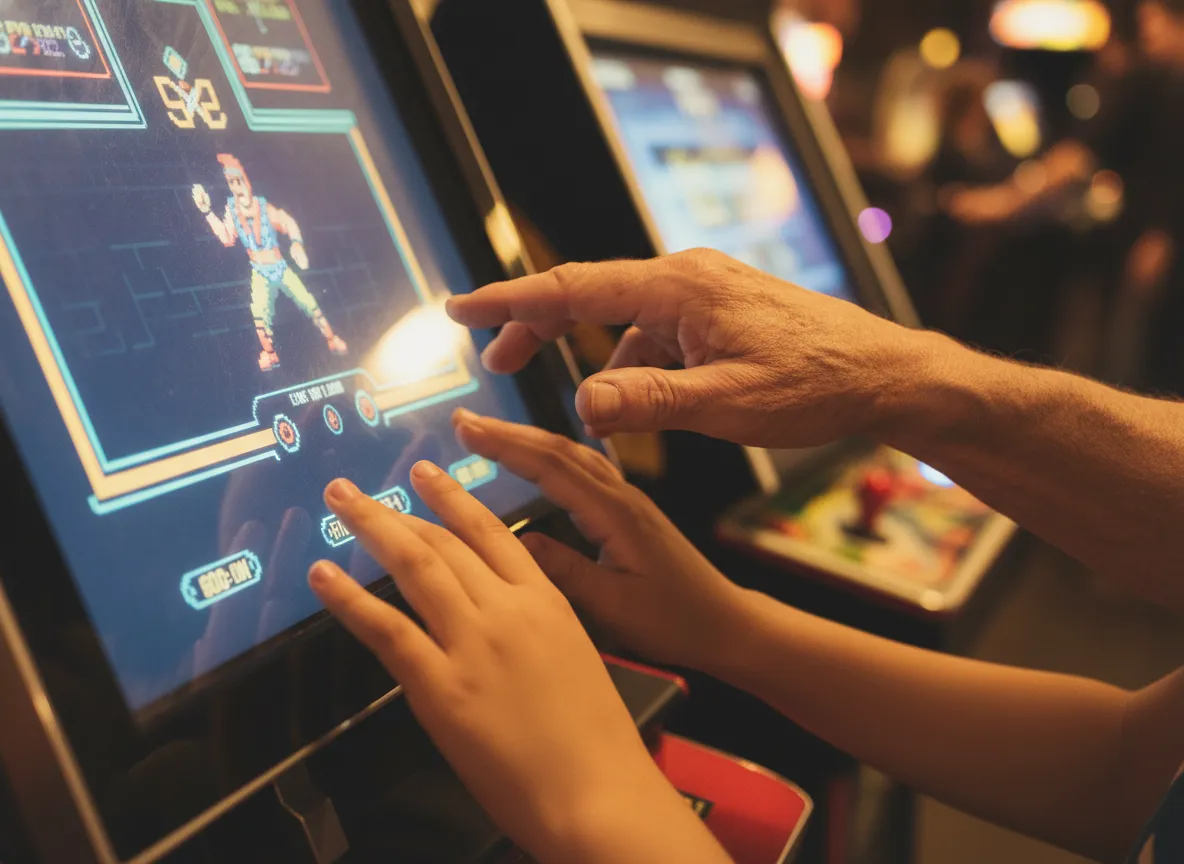
When a sixteen-year-old and a sixty-five-year-old sit down to play Pac-Man, they're not competing on uneven ground. There's no generational advantage in technology literacy or pop culture fluency. The rules are simple. The challenge is immediate. The playing field is genuinely level.
And in that moment, something magical happens.
The grandfather who struggles to understand TikTok becomes the mentor showing his grandson how to anticipate ghost patterns. The teenager who seems unreachable suddenly has questions: "What was it like when you first played this? Where were you? Who were you with?"
The game becomes the catalyst for the conversation you couldn't force.
The Science of Shared Play
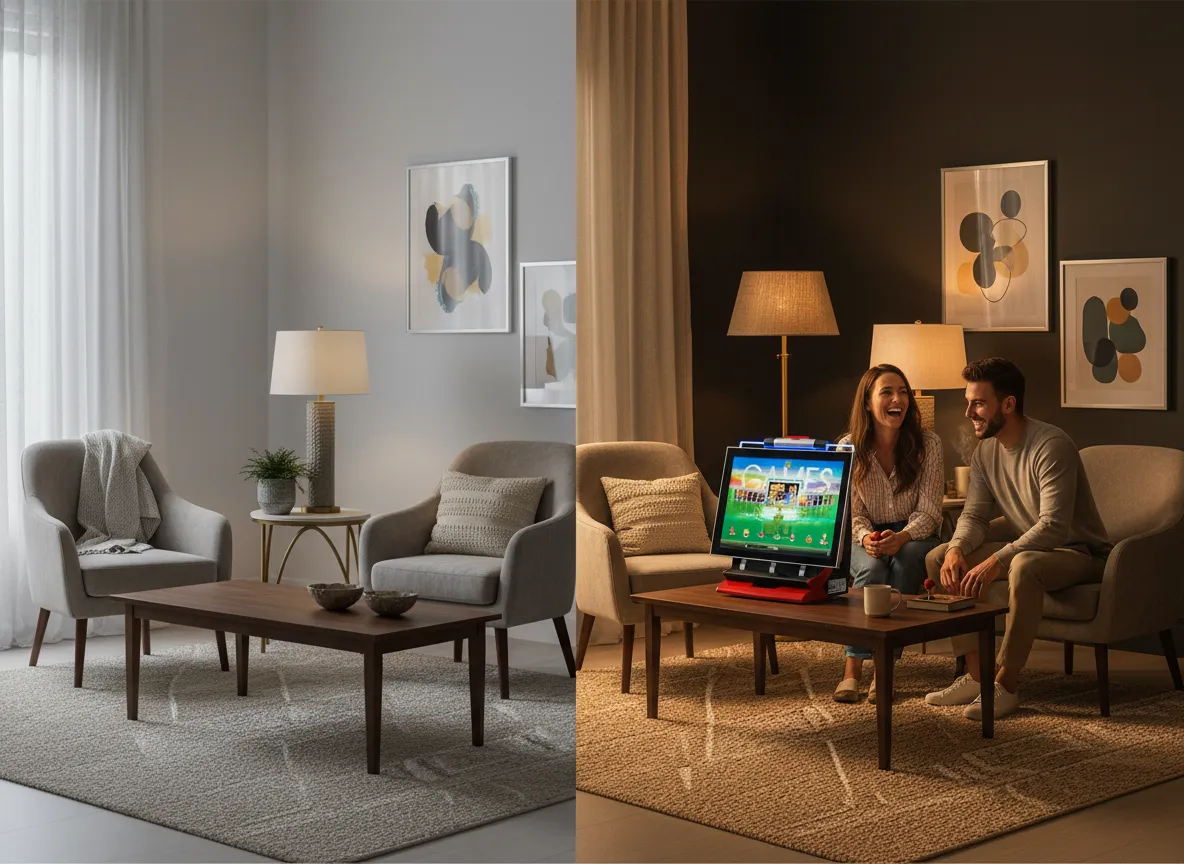
Research from the University of Wisconsin's Waisman Center reveals something remarkable about intergenerational activities: they don't just create warm feelings — they actually rewire how we see each other.
When grandparents and grandchildren engage in shared, enjoyable activities, both groups report:
Decreased age-based stereotypes
Increased empathy and mutual understanding
Stronger emotional bonds that persist long after the activity ends
More spontaneous, authentic communication in everyday interactions
But here's the key: the activity needs to be genuinely enjoyable for both parties. This is where many well-intentioned family bonding attempts fail. Board games that bore the teenagers. Video games that confuse or exclude the grandparents. Activities chosen for their supposed "bonding power" rather than actual joy.
Multi-generational gaming works because it threads an impossibly narrow needle: nostalgic enough to feel familiar to older players, simple enough to be immediately accessible to younger ones, and genuinely fun for everyone.
It's not about teaching lessons or creating forced quality time. It's about rediscovering what play felt like before we complicated it and sharing that feeling across the years that separate us.
The Shift: From Experience Gifts to Experience Investments
For years, the advice has been consistent: give experiences, not things. Concert tickets instead of sweaters. Trip vouchers instead of gadgets.
And it's good advice to a point.
But here's what that framework misses: the best investments aren't one-time experiences. They're catalysts for ongoing connection.
The concert ends. The vacation becomes a memory. The experience, however wonderful, is finite.
Compare that to the grandmother who installs a classic arcade system in her home. That's not a single experience it's an invitation that never expires. Every visit becomes an opportunity. Every gathering has a natural gravity well. Grandkids don't need to be asked if they want to come over - they ask when they can.
This shift is already happening, quietly, in homes across the country. Empty nesters are transforming spare bedrooms and finished basements into spaces that draw people in. Not gyms that guilt trips you. Not "media rooms" where everyone watches different screens. But genuine gathering spaces built around shared joy.
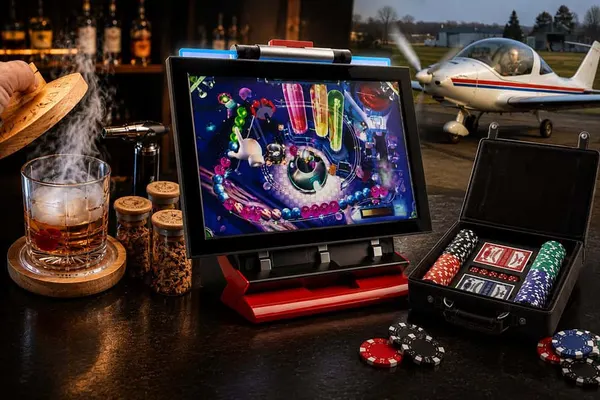
At the heart of many of these transformations are pieces like premium tabletop arcade systems - machines that blend craftsmanship with nostalgia, modern convenience with classic design. Systems like the JVL ECHO HD3, which bring 149 classic games into a beautifully designed, plug-and-play format that feels at home in sophisticated spaces.
These aren't toys. They're memory factories. Conversation starters. Bridges between generations that don't require explanation or justification - just an invitation to play.
What Becomes Possible
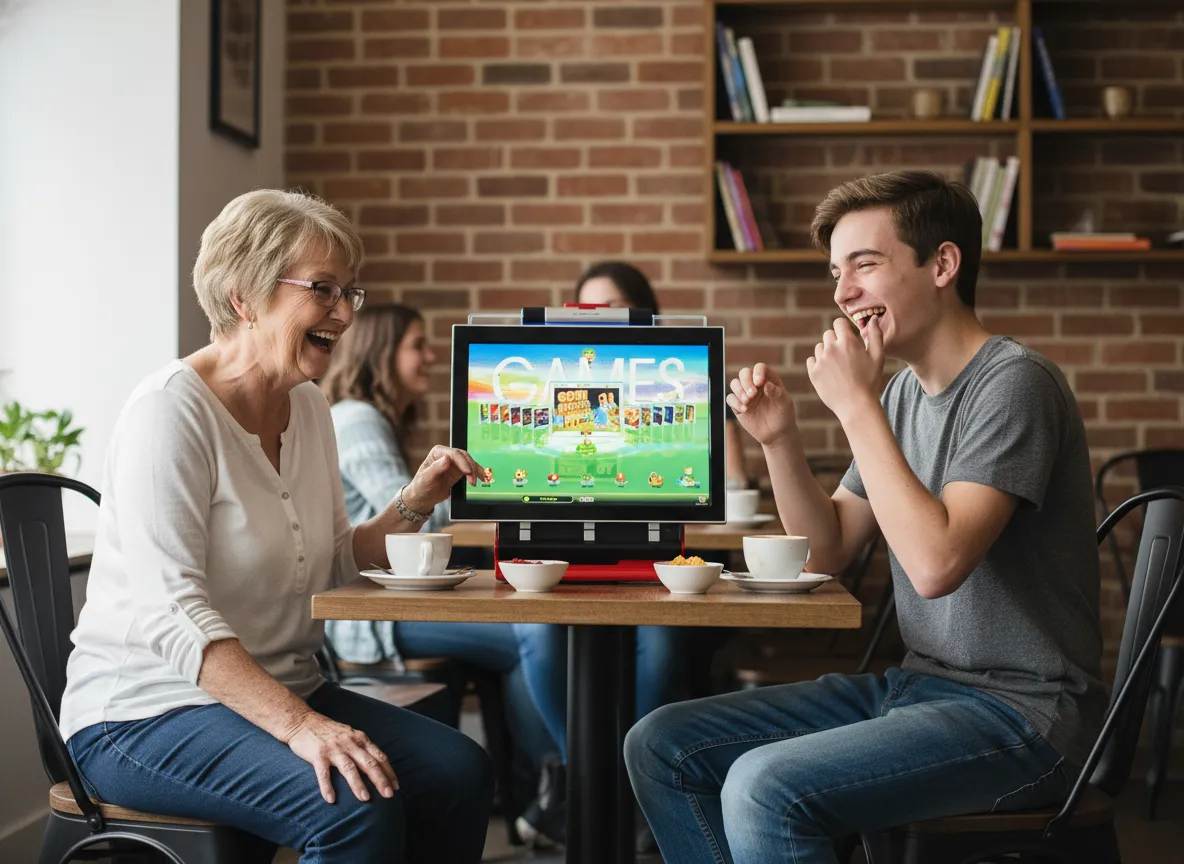
Picture this:
Your daughter and son-in-law bring the grandkids over for Sunday dinner. The meal is lovely, but there's the usual restlessness afterward. The kids get that glazed look. Devices appear.
Then someone wanders to that space you created. The one with the arcade system you installed last spring. A few curious taps. A familiar melody. And suddenly, everyone's watching.
Your ten-year-old granddaughter wants to try. Your grandson the one who's "too cool" for family stuff, asks if he can play next. Your daughter laughs, remembering when you took her to the arcade for her eighth birthday.
You don't have to force conversation about their lives, their struggles, their wins. It emerges naturally, between games, in the shared moments of triumph and failure. The walls come down because no one's performing. You're just... playing. Together.
This is what's possible when you stop trying to manufacture connection and instead create the conditions where connection happens naturally.
The Invitation

The multi-generational gaming movement isn't about nostalgia for its own sake. It's not about recapturing youth or forcing family time.
It's about recognizing a simple truth: genuine connection requires shared language, and sometimes that language is play.
The families discovering this aren't trying to solve some grand problem. They're simply creating spaces where different generations can meet each other not as roles to be performed, but as people to be enjoyed.
If you've ever felt that distance growing between you and the younger people in your life, if you've wondered how to bridge that gap without forcing it, maybe the answer isn't in having deeper conversations.
Maybe it starts with play.
Frequently asked questions
What is the multi-generational gaming movement?
It is the growing trend of grandparents, parents, and children finding common ground through classic arcade-style games. Touchscreen and tactile games require no instruction, work for any age, and create shared moments in a way that mobile games and streaming cannot. The format is genuinely intergenerational.
Why do simple arcade games work better for cross-generational play than modern games?
Modern AAA video games typically require controller mastery, narrative context, and significant time investment — they are designed for committed gamers, not casual cross-generational play. Classic and touchscreen arcade games are immediate, intuitive, and resolve in short sessions. A grandparent and grandchild can both pick up the same game and enjoy it within seconds.
Are families really feeling more disconnected despite being more "connected" digitally?
Yes, and research backs this up. Survey data consistently shows that despite unprecedented digital connectivity, families across generations report feeling more emotionally distant than previous generations. Shared physical activities — board games, cooking, arcade games — create the in-person presence that digital communication cannot replicate.
How does a home arcade machine support multi-generational connection?
It becomes a shared focal point that pulls people physically together in one room. Touchscreen units like the JVL ECHO HD3 are inclusive across ages — kids find them intuitive, older players find them approachable. The 360° swivel base supports actual head-to-head play, and the 149-game library spans every era and category, so there is always a game that resonates with someone in the room.
What other activities support cross-generational connection?
Cooking together, board games, outdoor activities (gardening, fishing), shared physical hobbies (puzzles, model-building). The common thread: they require physical presence, allow conversation, and have clear stopping points. Activities that fail at this — passive TV, individual screen use — are exactly where multi-generational connection has weakened.