Why do they call it an arcade?
The word "arcade" comes from covered 19th-century commercial walkways. Learn how this term became synonymous with coin-operated gaming culture.

Highlights
- "Arcade" originates from covered architectural passageways where 19th-century amusement venues operated
- By the 1970s–80s, the term attached to electronic gaming venues and never left
- Today "arcade" defines a gaming style — immediate, skill-based play — not a type of building
- The word persisted through barcades, home machines, and modern gaming long after its architectural roots faded
The term "arcade" comes from architectural design featuring covered passageways with arched roofs. Early commercial amusement venues occupied these covered walkways in 19th-century shopping districts, housing games, fortune tellers, and entertainment attractions. When electronic gaming machines appeared in the 1970s-1980s, they were placed in similar commercial spaces maintaining the "arcade" designation. The name stuck even as venues moved into standalone buildings and shopping mall spaces.
The architectural connection faded but terminology persisted. Modern usage refers to any venue or gaming style characterized by coin-operated entertainment machines, regardless of actual building architecture.
Etymology and evolution:
Original meaning: Covered architectural passageway with arched roof
19th century: Commercial entertainment in covered shopping arcades
Early 20th century: Penny arcades with mechanical amusement devices
1970s-1980s: Electronic gaming machines adopt arcade terminology
Modern usage: Any venue with coin-operated gaming machines
Current meaning: Gaming style emphasizing quick, skill-based play
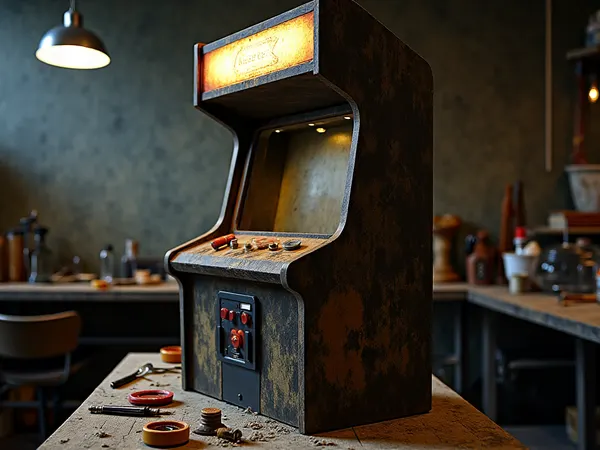
The term now defines gaming characteristics rather than location architecture. "Arcade games" describes design philosophy of immediate accessibility, coin-fed play, and skill-based challenges distinct from home console gaming. Premium arcade machines maintain this gaming heritage in personal entertainment spaces.
What were early arcades like?
Early arcades were covered commercial walkways featuring mechanical amusement devices and games of chance. Late 19th and early 20th century "penny arcades" housed fortune-telling machines, strength testers, mechanical games, and viewing devices like kinetoscopes. These venues attracted working-class entertainment seekers with affordable penny-per-play pricing. The atmosphere mixed carnival energy with urban commercial districts, creating social gathering spaces distinct from formal entertainment venues.
Pre-electronic arcades emphasized novelty and mechanical ingenuity. Patrons paid small amounts to experience brief amusements, establishing the pay-per-play model that electronic arcades later inherited.
Early arcade characteristics:
Penny-operated mechanical devices and games
Covered walkways in commercial shopping districts
Working-class entertainment accessible to broad audiences
Novelty and spectacle driving patron interest
Social gathering spaces in urban environments
Mix of games, fortune-telling, and viewing devices
Brief entertainment experiences for small fees
The evolution from mechanical penny arcades to electronic gaming venues maintained core concepts: convenient urban locations, pay-per-play models, social atmosphere, and emphasis on immediate accessible entertainment. Modern home arcade machines continue this tradition while eliminating pay-per-play requirements through complete ownership.
When did video arcades become popular?
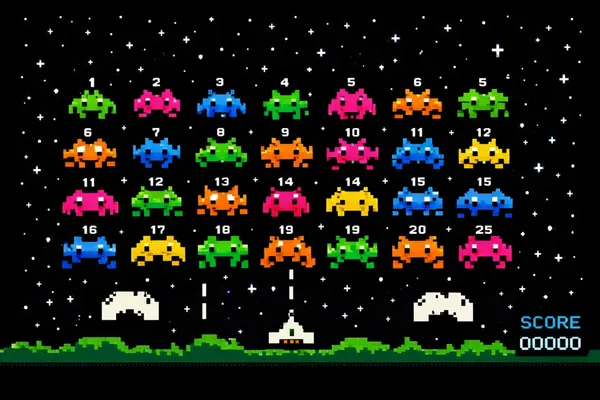
Video arcades became popular during the late 1970s through early 1990s, with peak popularity in 1981-1983. Space Invaders' 1978 release sparked initial interest, but Pac-Man's 1980 phenomenon created mainstream cultural acceptance. By 1982, arcades generated $8 billion annually in the United States alone. The golden era lasted through the mid-1980s until home console improvements and rising real estate costs began gradual decline. Fighting games like Street Fighter II created a second wave in the early 1990s before home gaming eventually dominated.
The rise reflected unique historical circumstances. Early home gaming systems offered inferior graphics and gameplay compared to arcade hardware. Arcades provided technological experiences unavailable elsewhere, justifying venue visits and quarter-per-play pricing.
Video arcade popularity timeline:
1978: Space Invaders sparks initial video game craze
1980-1981: Pac-Man creates mainstream cultural phenomenon
1982-1983: Peak arcade era, $8 billion annual U.S. revenue
Mid-1980s: Home consoles improve, beginning gradual decline
1991-1993: Fighting game renaissance with Street Fighter II
Mid-1990s onward: Steady decline as home gaming improves
2000s-present: Niche survival, transformation into social venues
The decline wasn't arcade gaming's death but transformation. Technology democratization meant consumers could own commercial-quality equipment at home. Current markets reflect this shift, with premium home systems providing authentic arcade experiences in personal spaces.
How did arcade culture influence gaming?
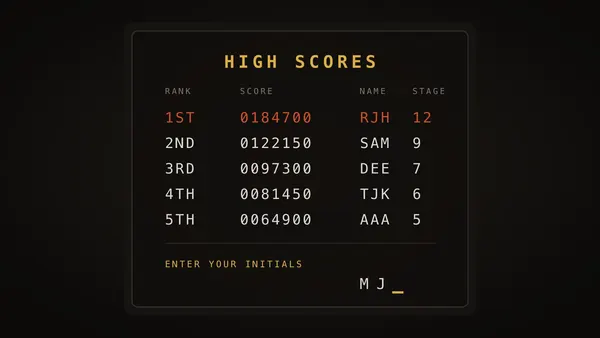
Arcade culture influenced gaming by establishing design principles emphasizing immediate accessibility, skill progression, and social competition. The quarter-per-play model forced developers to create instantly engaging games that were easy to learn but difficult to master, encouraging continued play. High score tables invented competitive gaming culture later adopted by esports. The social venue atmosphere made gaming a communal activity rather than isolated hobby. Many fundamental gaming genres including fighting games, shoot-em-ups, and racing games originated in arcades.
Arcade design philosophies persist in modern gaming despite platform changes. Mobile gaming's short-session structure and "one more try" psychology directly descends from arcade conventions. Competitive multiplayer gaming traces to arcade fighting game communities.
Arcade culture's lasting impacts:
Game design: Instant accessibility, skill-based progression
Social dynamics: Multiplayer competition, spectating culture
Business models: Free-to-play mechanics echo quarter-feeding
Competitive gaming: High scores and tournaments foundation
Genre development: Fighting, racing, shooting game archetypes
Community building: Gaming as social activity versus isolation
The arcade era's cultural influence exceeds its commercial duration. Even as public arcades declined, the design principles and social dynamics they established became gaming industry foundations. Home arcade systems preserve this heritage, providing authentic experiences that maintain arcade gaming's essential character while adapting to private ownership models.
Frequently asked questions
Where does the word "arcade" actually come from?
The word originates from architecture: an arcade was a covered walkway with shops on either side, common in 19th-century European and American cities. Early amusement venues — penny arcades, shooting galleries, photo booths — set up inside these covered passageways. The name stuck to the entertainment, not the architecture.
When did "arcade" come to mean video games?
The term shifted in meaning during the late 1970s and early 1980s as video games became the dominant attraction in penny arcades and amusement halls. By 1980, "arcade" in common usage meant "place with coin-operated video games," and the architectural meaning faded from everyday use.
What is the difference between an arcade and an amusement park?
Amusement parks are large outdoor venues with rides, attractions, and entertainment spread across acres. Arcades are smaller, typically indoor spaces focused specifically on coin-operated games. Many amusement parks contain arcades, but the two have always been distinct categories.
Are barcades technically arcades?
Yes, in modern usage. A barcade is an arcade that serves alcohol — it combines coin-op game play with a full bar. The format emerged in the 2000s as a way to keep arcade games viable commercially in an era when traditional coin-only arcades could no longer support the rent. They are arcades for adults.
Will the word "arcade" survive as the industry changes?
It already has. The word now describes a style of gaming — fast, skill-based, immediate, social — more than a physical place. Home arcade machines, mobile arcade games, and barcades all carry the term forward. The original architectural meaning is gone, but the cultural meaning is firmly established.