What are the 10 most popular arcade games?
Discover the most popular arcade video games, including best sellers like Pac-Man and Donkey Kong. Find out which classic titles made the top 10.

Highlights
- Pac-Man earned over $14 billion globally — the most financially successful arcade game ever made
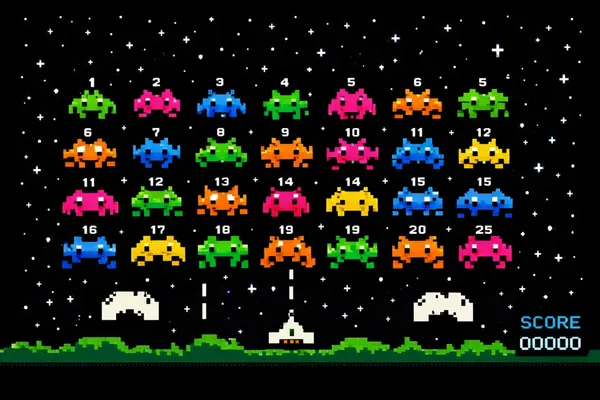
- Space Invaders (1978) created the shooting genre and caused a national coin shortage in Japan at launch
- Donkey Kong (1981) introduced Mario to the world and pioneered the platformer gaming genre
- Street Fighter II (1991) established competitive fighting games as a permanent category still thriving today
The 10 most popular arcade games of all time are Pac-Man, Space Invaders, Donkey Kong, Street Fighter II, Ms. Pac-Man, Galaga, Defender, Asteroids, Centipede, and Mortal Kombat. These titles achieved cultural phenomenon status during the 1980s-1990s golden era, generating billions in revenue and establishing gaming archetypes that persist today. Pac-Man alone earned over $14 billion globally, making it the highest-grossing entertainment product of its era. Their enduring popularity drives modern arcade purchases and nostalgia-based entertainment.
Popularity metrics include historical revenue, cultural impact, cabinet sales, and lasting recognition decades after release. These games transcended gaming to become mainstream cultural touchstones.
Top 10 arcade games by popularity:
Pac-Man (1980): Universal appeal, maze-chase gameplay
Space Invaders (1978): Shooting genre foundation, cultural phenomenon
Donkey Kong (1981): Platform gaming pioneer, introduced Mario
Street Fighter II (1991): Competitive fighting game standard
Ms. Pac-Man (1982): Refined gameplay, female protagonist
Galaga (1981): Space shooter perfection, addictive gameplay
Defender (1981): Complex controls, intense action
Asteroids (1979): Vector graphics, physics-based gameplay
Centipede (1981): Trackball innovation, broad demographic appeal
Mortal Kombat (1992): Digitized graphics, controversial violence
Premium arcade machines typically include these classics in curated libraries, recognizing their timeless appeal across generations.
Why are classic arcade games still popular?
Classic arcade games remain popular because they deliver immediate fun through simple mechanics mastered in minutes but challenging to perfect. Unlike modern games requiring tutorials and complex controls, classics like Pac-Man and Galaga offer instant accessibility to all ages and skill levels. The games emphasize pure skill over graphics, creating competition and replayability that graphics-focused titles cannot sustain. Nostalgia amplifies appeal as adults share childhood favorites with younger generations.
The enduring popularity reflects fundamental game design excellence. Classic arcade developers faced technical constraints forcing focus on core gameplay mechanics rather than presentation. This created experiences with lasting value beyond technological novelty.
Factors driving continued popularity:
Instant accessibility with no learning curve
Pure skill-based gameplay rewarding practice
Quick play sessions fitting modern attention spans
Multi-generational recognition and nostalgia
Social play encouraging competition and spectating
Timeless mechanics unaffected by graphics aging
Cultural significance as entertainment history
Modern gaming's complexity paradoxically increases classic appeal. Parents appreciate games their children can play without supervision, tutorials, or violence concerns. Social gatherings benefit from accessible entertainment requiring no prior gaming experience. Home arcade machines capitalize on this dynamic by offering curated classic collections appealing to ages 8 to 80.
What makes certain arcade games more memorable?
Memorable arcade games combine innovative mechanics, distinctive audiovisual identity, and cultural timing. Pac-Man's maze-chase gameplay introduced non-violent gaming appealing beyond traditional audiences. Space Invaders' progressive difficulty and alien invasion theme captured Cold War cultural anxieties. Street Fighter II revolutionized competitive gaming through balanced character design and skill-based combat. Distinctive sounds and visuals created instant recognition that persists decades later.
Memorability extends beyond gameplay quality to cultural impact and accessibility. Some excellent games remain obscure while inferior titles achieved fame through marketing or licensing. The most memorable games often pioneered genres or introduced innovations that became industry standards.
Elements creating memorability:
Innovative gameplay mechanics establishing new genres
Distinctive audiovisual design enabling instant recognition
Cultural relevance connecting to broader societal themes
Accessibility broadening appeal beyond hardcore gamers
Competitive elements driving social interaction
Character design creating recognizable mascots
Technical achievements pushing hardware boundaries
The combination of these factors explains why certain games dominate collective memory while hundreds of contemporaries fade into obscurity. Memorable classics form the foundation of quality arcade libraries, providing experiences that resonate emotionally rather than simply passing time.
Do younger generations enjoy classic arcade games?
Younger generations do enjoy classic arcade games when given exposure, though initial reactions vary by game complexity and presentation. Simple, immediately rewarding games like Pac-Man and Space Invaders engage children and teens quickly. Fighting games like Street Fighter attract competitive players across age groups. However, some classics with complex controls or slower pacing struggle against modern gaming expectations of constant stimulation and frequent rewards.
Generational enjoyment depends heavily on introduction context. Kids playing classics on premium home systems with quality displays and controls have positive experiences. Encountering the same games on deteriorating public machines or low-quality emulation creates negative impressions.
Factors affecting younger player engagement:
Game accessibility: Simple mechanics engage better than complex controls
Visual presentation: Quality displays enhance appreciation versus poor emulation
Social context: Family or friend play increases enjoyment
Competition elements: Leaderboards and versus modes maintain interest
Nostalgia context: Parents' enthusiasm influences children's attitudes
Modern gaming exposure: Heavily impacts patience with older design conventions
Multi-generational households report that classic arcade games create unique bonding opportunities. Grandparents, parents, and children can all play at comparable skill levels initially, unlike modern games where experience gaps create frustration. This dynamic makes arcade machines valuable gathering points in homes seeking shared entertainment beyond passive screen consumption.
Frequently asked questions
What is the highest-grossing arcade game of all time?
Pac-Man, released by Namco in 1980, earned over $14 billion globally — making it the most financially successful arcade game ever made and one of the highest-grossing entertainment products of its era. It crossed gender and demographic boundaries that earlier arcade games had not, dramatically expanding the audience.
Which arcade game caused a national coin shortage in Japan?
Space Invaders, released by Taito in 1978. Demand for the game was so intense that 100-yen coin reserves in Japan were depleted, and the Japanese mint had to temporarily increase production. The game also created the shooter genre and remains one of the most culturally significant arcade releases.
What was the first platformer arcade game?
Donkey Kong, released by Nintendo in 1981. It introduced the world to Mario (originally called "Jumpman") and pioneered the platformer category. The success of Donkey Kong directly enabled Nintendo to expand into home consoles, eventually leading to the NES and the Mario franchise.
Which arcade game created the fighting game genre?
Street Fighter II, released by Capcom in 1991, established the modern fighting game format with character selection, special moves, and competitive 1-on-1 play. It remains the foundation of the fighting game category, and its successors continue to dominate the esports fighting scene today.
Can you still play these classic arcade games anywhere?
Original cabinets are rare and expensive on the collector market. Many of the iconic games appear in modern compilations on home consoles, and barcades and family entertainment centers often feature restored originals. Premium home arcade machines also include carefully curated libraries inspired by the classics — the JVL ECHO HD3 ships with 149 games spanning multiple eras and genres.