Is the arcade industry growing?
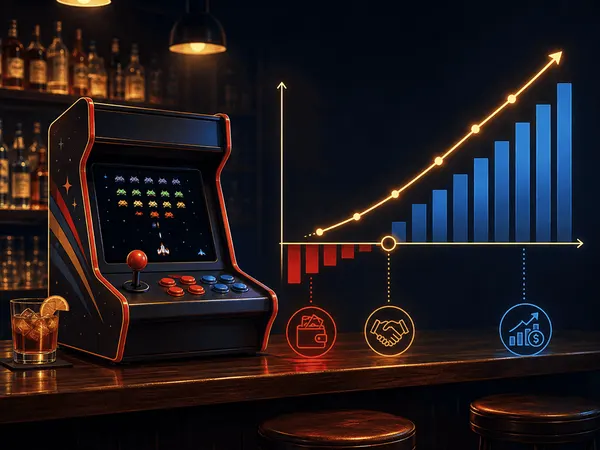
Traditional arcades are contracting, but barcades and home arcade sales are booming. Here's where real growth is happening in a $3.8B global market.

Highlights
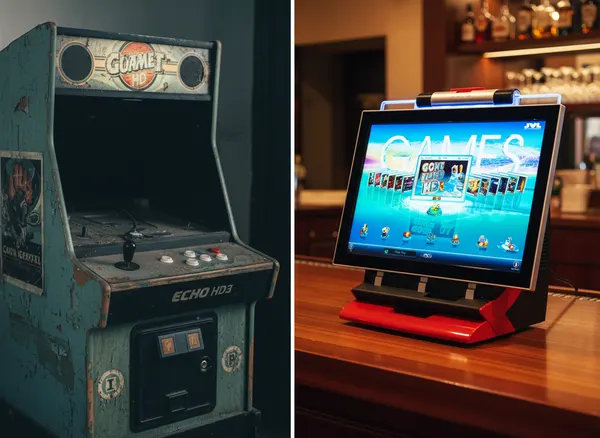
- Traditional coin-operated arcades are declining 3–5% annually from their 1990s peak
- Barcades in urban markets are growing 8–12% annually, driven by adult experiential entertainment demand
- Home arcade equipment is among the fastest-growing segments at 10–15% annual growth
- The industry is transforming, not dying — social experiences and nostalgia are driving the new growth areas
The traditional arcade industry is not growing but transforming into specialized segments. Public coin-operated arcades continue declining from their 1990s peak, shrinking approximately 3-5% annually. However, specific segments are expanding including barcades, family entertainment centers, and premium home arcade markets. The global arcade gaming market reached $3.8 billion in 2023, with growth driven by experiential venues and home installations rather than traditional game rooms.
Industry transformation reflects changing consumer preferences. Pure gaming arcades cannot compete with home entertainment technology. Successful growth areas emphasize social experiences, nostalgia, food and beverage integration, or private ownership.
Industry growth by segment:
Traditional coin-operated arcades: Declining 3-5% annually
Barcade concepts: Growing 8-12% annually in urban markets
Family entertainment centers: Stable to modest 2-3% growth
VR and experiential attractions: Growing 15-20% annually
Home arcade equipment: Growing 10-15% annually
Corporate and private installations: Emerging growth segment
The shift toward home arcade ownership represents the most significant growth trend. Consumers invest in arcade machines for permanent private access, eliminating venue visits while maintaining authentic gaming experiences.
What trends are shaping the arcade industry?
The arcade industry is shaped by nostalgia marketing, social experience emphasis, and home entertainment integration. Millennials and Gen X adults with disposable income seek nostalgic experiences from their youth, driving barcade expansion and retro gaming venues. Successful operators position arcades as social destinations rather than pure gaming facilities. Simultaneously, home arcade markets grow as consumers recognize they can own commercial-quality equipment privately.
Technology advancement paradoxically helps and hurts the industry. VR experiences and modern attractions create unique offerings unavailable at home. However, improved home gaming systems and affordable personal arcade machines reduce the need for public venues.
Major industry trends include:
Nostalgia-driven experiential venues targeting adults 30-50
Food and beverage integration as primary revenue source
Private event hosting and corporate team-building bookings
Home arcade market expansion through premium systems
Subscription and membership models replacing pay-per-play
Instagram-worthy environments attracting social media demographics
The trend toward home ownership reflects market maturation. Consumers transition from occasional public arcade visits to permanent private installations. Premium home arcade machines deliver commercial quality without operational complexity.
Which arcade markets are expanding?
Expanding arcade markets include barcades in urban areas, family entertainment center hybrids, and premium home installations. Barcades grow 8-12% annually in cities with strong millennial populations and craft beverage cultures. Family entertainment centers combining arcades with bowling, dining, and attractions maintain steady expansion. Home arcade equipment sales increase 10-15% annually as consumers invest in personal entertainment spaces.
Geographic patterns show growth concentrated in affluent urban and suburban markets. Rural areas lack sufficient traffic density for commercial viability. International markets, particularly Asia, show stronger arcade culture persistence than North America.
Expanding market segments:
Urban barcades: Strong growth in metros over 500,000 population
Suburban family entertainment centers: Steady expansion near population centers
Home premium systems: National growth across affluent demographics
Corporate entertainment spaces: Emerging trend in tech companies
Nostalgia concept venues: Pop-up and permanent installations
Event rental services: Arcade equipment for parties and gatherings
Home markets show the most consistent growth trajectory. Unlike location-dependent commercial operations, home arcade demand spans geographic boundaries. Affluent homeowners nationwide invest in premium entertainment systems that function as both gaming platforms and statement furniture pieces.
Why is home arcade equipment becoming popular?
Home arcade equipment gains popularity because it delivers commercial-quality experiences with complete ownership and convenience. Modern systems costing $3,000-$4,000 provide extensive game libraries, touchscreen technology, and professional construction previously available only in public venues. Consumers recognize that home ownership eliminates recurring venue costs, parking hassles, and scheduling limitations while offering unlimited entertainment access.
The trend accelerated during 2020-2021 when consumers invested heavily in home entertainment during pandemic restrictions. The behavior persisted as people discovered advantages of private gaming spaces over public venues.
Drivers of home arcade popularity:
One-time investment versus recurring venue costs
Immediate access without travel or scheduling
Commercial-quality systems at accessible price points
Nostalgic appeal for adults with disposable income
Multi-generational entertainment bringing families together
Statement furniture pieces elevating home environments
Elimination of public venue drawbacks like crowds and wait times
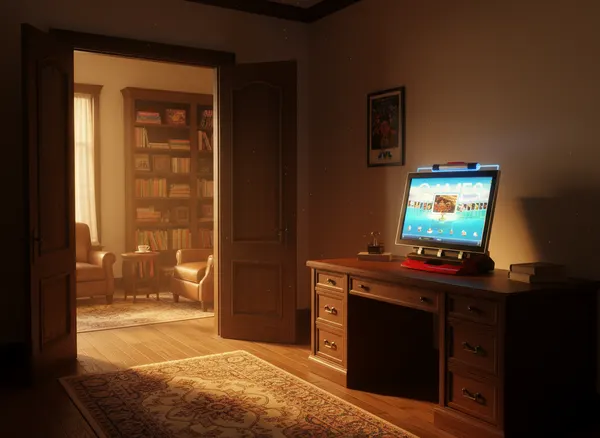
The market matured as manufacturing improvements enabled consumer-grade pricing for professional-quality equipment. Premium systems with 100-150 curated games, large touchscreens, and solid construction deliver authentic arcade experiences in home bars, game rooms, and entertainment spaces without operational complexity or recurring expenses.
Frequently asked questions
Is the arcade industry actually growing or declining?
It depends entirely on the segment. Traditional coin-op arcades continue declining 3–5% annually from their 1990s peak. Barcades in urban markets are growing 8–12% annually. Home arcade equipment is among the fastest-growing segments at 10–15% annual growth. The industry as a whole is transforming, not dying.
Which arcade segments are growing the fastest?
Barcades (arcades serving alcohol to adults), family entertainment centers with mixed gaming and food, and the home arcade equipment market. The shift reflects a broader trend: consumers want experiential entertainment that includes social atmosphere, food and drink, and shared play — not pure coin-op gaming alone.
Why are barcades growing while traditional arcades are not?
Barcades combine three things people are willing to pay for: skill-based gaming, craft beverages, and adult social atmosphere. Traditional pure coin-op arcades cannot generate enough revenue per square foot to cover modern commercial rent. The barcade model solves the economics by adding food and beverage revenue to the gaming.
How big is the home arcade market right now?
The premium home arcade market — purpose-built commercial-grade units priced $1,500–$5,000 — has grown into a multi-hundred-million-dollar category. Growth is driven by adults aged 40–65 spending on nostalgia and cross-generational entertainment. The trend has accelerated since 2020 as home entertainment investment grew broadly.
What does the future of the arcade industry look like?
Concentration in two areas: premium social venues for adults (barcades, FECs) and premium home machines for households who want the experience without travel or recurring costs. The middle ground — traditional coin-only arcades — will continue to shrink. The underlying appeal of skill-based, social gaming has never gone away.