What do you need to start an arcade business?
Starting an arcade business requires $50,000–$200,000, a high-traffic location, 15–30 machines, and licensing. Here's everything you need to know.

Highlights
- Startup capital requirements range from $50,000 for a small used-machine setup to $300,000 for a full FEC
- A high-traffic commercial location (1,500–3,000 sq ft) is the single most important success factor
- Business, entertainment, and liquor licenses must all be secured before the doors can open
- An operating reserve covering 6–12 months of expenses prevents closure during the slow ramp-up period
Starting an arcade business requires $50,000 to $200,000 in capital, a high-traffic location, proper licensing, and 15-30 arcade machines. Essential components include commercial lease agreements, business insurance, game equipment purchases, point-of-sale systems, and renovation budgets. Most successful startups also incorporate food and beverage operations to diversify revenue streams beyond pure gaming.
The capital requirement varies dramatically based on concept and scale. Small operations with 10-15 used machines in modest spaces start around $50,000. Full-scale family entertainment centers with new equipment, extensive renovations, and multiple attractions require $150,000-$300,000 before opening.
Critical startup requirements include:
Initial capital: $50,000-$200,000 depending on scope
Commercial location: 1,500-3,000 sq ft in high-traffic area
Game equipment: 15-30 machines at $2,000-$6,000 each
Licensing and permits: Business, liquor (if applicable), entertainment licenses
Insurance: General liability, property, equipment coverage
Renovation budget: $20,000-$80,000 for buildout
Operating reserve: 6-12 months expenses for sustainability
Most arcade businesses fail within 18 months due to insufficient capitalization or unrealistic revenue expectations. Successful operators bring business experience beyond gaming enthusiasm and thoroughly research local market conditions before launching.
What licenses do you need for an arcade business?
Arcade businesses require general business licenses, entertainment permits, and potentially liquor licenses depending on concept and location. Most municipalities classify arcades as amusement facilities requiring specific permits beyond standard business registration. Liquor licenses represent the most expensive and complex requirement for barcade concepts, costing $5,000-$50,000 and taking 3-6 months to obtain. Some jurisdictions also require individual permits for specific game types.
Licensing requirements vary significantly by state and municipality. Urban markets typically have more complex regulations than suburban or rural areas. Some locations restrict arcade operations near schools or residential areas.
Common licensing requirements:
General business license: $50-$500 annual
Amusement facility permit: $200-$2,000 annual
Liquor license (if serving alcohol): $5,000-$50,000 initial, $1,000-$5,000 annual
Food service permits: $200-$1,000 if serving food
Building occupancy permits: Varies by location
Individual game permits: $25-$100 per machine in some jurisdictions
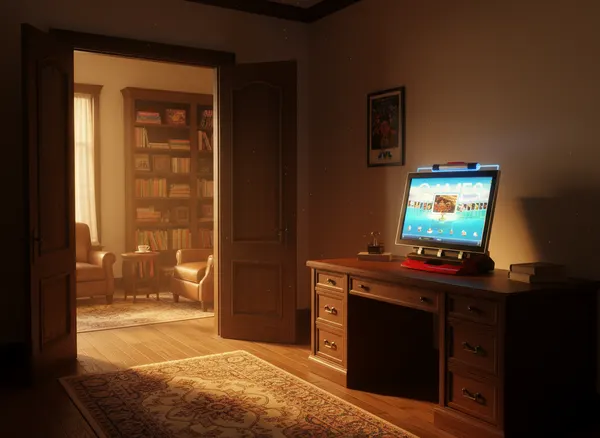
The licensing process creates barriers to entry but also limits competition in regulated markets. Prospective owners should consult local business attorneys and licensing authorities early in planning. For individuals seeking arcade experiences without business complexity, arcade machines for home use require no permits or licensing.
How much space do you need for an arcade?
Viable arcade businesses require 1,500 to 3,000 square feet minimum to accommodate adequate game selection, customer flow, and required amenities. Smaller spaces of 1,500-2,000 sq ft work for focused barcade concepts with 15-20 machines. Family entertainment centers need 2,500-3,000+ sq ft for 25-40 machines plus seating and support areas. The space must include customer restrooms, staff areas, and storage for maintenance and prizes.
Square footage calculations must account for machine spacing requirements and fire code compliance. Arcade cabinets require approximately 20-25 sq ft each including player space and circulation. Total occupancy limits affect maximum customer capacity and revenue potential.
Space allocation guidelines:
Gaming floor: 60-70% of total space for machines and player areas
Seating and social areas: 15-20% for tables, lounging, waiting
Bar or food service: 10-15% if included in concept
Restrooms and utilities: 5-10% required by code
Storage and back-of-house: 5-10% for maintenance and supplies
Location selection prioritizes foot traffic over raw square footage. A 1,800 sq ft space in a prime entertainment district outperforms 3,000 sq ft in a secondary location. Rent typically represents 15-25% of revenue, making location economics crucial to viability. Home arcade machines provide commercial-quality entertainment in minimal space without location overhead.
What are the biggest challenges starting an arcade?
The biggest challenges starting an arcade are securing adequate capital, finding profitable locations, and competing with home entertainment. Most operators underestimate total costs by 30-50%, leading to undercapitalization and failure. Prime locations command prohibitive rents while secondary spaces lack traffic. Modern consumers access gaming at home through consoles, mobile devices, and personal arcade systems, reducing demand for public venues.
Additional challenges include navigating complex licensing, maintaining aging equipment, managing seasonal revenue fluctuations, and differentiating from entertainment alternatives. Many entrepreneurs enter with nostalgia and gaming passion but lack essential business operations experience.
Critical challenge areas:
Capital requirements exceeding initial estimates
Location competition and rent costs
Licensing complexity and delays
Equipment maintenance and replacement costs
Staffing reliability in entry-level positions
Marketing effectiveness in competitive entertainment market
Revenue seasonality affecting cash flow
Successful operators typically have prior business experience, substantial capital reserves, and realistic expectations about profitability timelines. The market shift toward home entertainment reflects consumers recognizing they can own quality equipment privately, eliminating the need for commercial venues while maintaining authentic arcade experiences in personal spaces.
Frequently asked questions
What is the minimum startup capital for an arcade business?
Small used-equipment arcades can start around $50,000. A modern arcade with new machines and a basic build-out runs $100,000–$200,000. A full family entertainment center exceeds $300,000. Operators who go in with less than $75,000 in working capital have very high failure rates.
What is the single most important factor in arcade business success?
Location, foot traffic, and visibility — measured collectively as "the right space in the right place." A great location with average machines outperforms a great machine list in a poor location every time. Operators consistently rank location as 60–70% of their success factor.
What licenses do you need for an arcade business?
A typical arcade requires: business license, occupancy permit, sales tax registration, amusement/entertainment license, food service permits (if applicable), and liquor licensing (if serving alcohol). Liquor licensing is the slowest and most variable — budget 4–9 months in the timeline.
How long does it take an arcade business to break even?
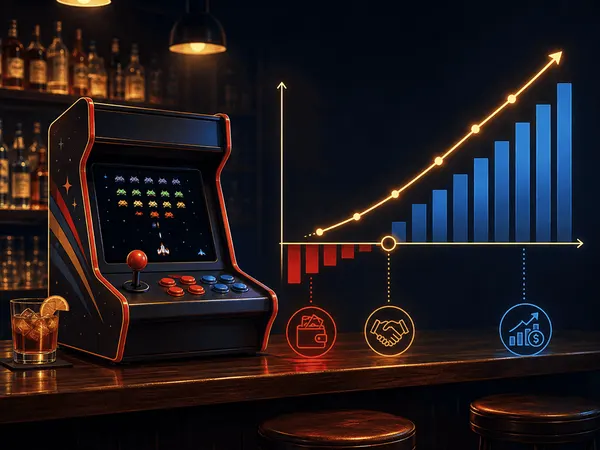
Well-located arcades typically reach break-even between 18 and 36 months. The exact timeline depends on capital structure (debt vs. equity), revenue mix (gaming-only vs. gaming+food), and seasonality. A 12-month break-even is rare; anything past 36 months suggests fundamental issues.
What separates successful arcade owners from those who fail?
Successful operators treat the arcade as an active, hands-on business — they manage maintenance, rotate games, build community events, market actively, and reinvest in equipment. Those who treat it as passive income or who underestimate ongoing operating intensity tend to fail within 2 years.