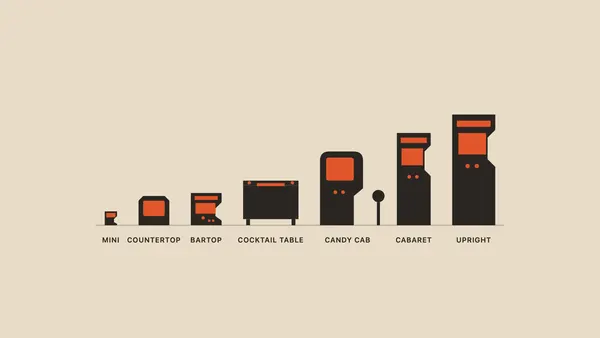
Can I add games to an arcade machine?
Whether you can add games depends on machine type. Vintage cabinets are fixed; modern systems vary. Here's what to know before you buy.

Highlights
- Original vintage cabinets are single-game dedicated hardware — adding games is architecturally impossible
- Modern commercial systems typically feature fixed libraries to ensure licensing compliance
- DIY and homebrew builds offer the most flexibility for game library customization
- The ability to add games depends entirely on the cabinet's internal architecture and manufacturer policy
Adding games to an arcade machine depends entirely on the system type and manufacturer. Original vintage arcade cabinets cannot add games as they use dedicated hardware designed for a single title. Modern multi-game systems vary, with some allowing additions through software updates while others feature fixed, curated libraries for quality and legal compliance.
The ability to modify game selections reflects fundamental differences in arcade architecture. Classic machines ran on proprietary circuit boards built specifically for one game. Contemporary systems use modern processors and storage, but manufacturers often lock game libraries to ensure licensing compliance and maintain performance standards.
Key determining factors include:
Original vintage cabinets: no game additions possible
JAMMA-based multi-game boards: limited expandability
Modern commercial systems: typically fixed libraries
DIY/homebrew builds: highly customizable
Emulation-based units: varies by manufacturer policies
Most premium arcade machines for home use come with comprehensive pre-installed game collections designed to eliminate the need for additions or modifications.
What arcade machines allow custom games?
DIY arcade builds and open-platform systems using RetroPie, Raspberry Pi, or PC-based emulation allow custom game additions. These systems provide full access to underlying software, enabling users to add ROMs and expand libraries freely. However, commercial arcade cabinets typically restrict modifications to protect licensing agreements and ensure consistent performance.
Custom-game capability comes with trade-offs. Open systems require technical knowledge for setup, game compatibility testing, and ongoing maintenance. Users assume responsibility for software legality and game sourcing.
Systems supporting custom additions:
Raspberry Pi builds: Full customization, requires technical setup
PC-based cabinets: Maximum flexibility, needs gaming PC hardware
Android-based systems: Some allow sideloading, limited compatibility
JAMMA multi-boards: Swappable game PCBs, requires physical changes
Commercial manufacturers like JVL design closed systems with curated game selections, prioritizing reliability and legal compliance over expandability. This approach ensures every title runs optimally without user troubleshooting.
Why do some arcade machines have fixed game libraries?
Arcade machines feature fixed game libraries to guarantee licensing compliance, ensure consistent performance, and eliminate technical support issues. Manufacturers curate specific game collections where every title is legally licensed, properly tested, and optimized for the hardware. This approach protects both the company and the customer from legal and technical problems.
Licensing represents the primary constraint. Game rights holders require strict controls over distribution and usage. Fixed libraries allow manufacturers to negotiate proper agreements and pay appropriate royalties for each included title.
Additional benefits of fixed libraries include:
No compatibility issues or crashes from untested games
Professional quality control across entire game selection
Simplified user experience requiring zero technical knowledge
Warranty protection and manufacturer support
Elimination of legal gray areas around ROM distribution
Premium home arcade machines embrace this model by offering carefully selected game collections of 100-150 titles spanning multiple genres. The curation focuses on quality over quantity, ensuring every game delivers genuine entertainment value.
How many games do modern arcade machines include?
Modern arcade machines typically include between 60 and 3,000 games, with most quality systems offering 100-300 carefully selected titles. Budget systems often advertise thousands of games, while premium manufacturers curate smaller collections focused on recognized classics and proven favorites rather than generic filler content.
The quantity versus quality distinction matters significantly. Systems claiming 3,000+ games frequently pad libraries with obscure titles, regional variants, and low-quality games that rarely get played. Professional-grade units prioritize curated selections where each game meets entertainment and nostalgia standards.
Typical game counts by system tier:
Budget replicas: 10-50 games, basic selections
Mid-range units: 60-200 games, mixed quality
Premium curated systems: 100-300 games, quality-focused
Generic multi-game boards: 1,000-3,000+ games, mostly filler
The most satisfying arcade experience comes from thoughtfully selected libraries covering diverse genres like action, puzzle, strategy, and multiplayer games. A collection of 150 beloved classics provides more lasting value than thousands of unknown titles.
Frequently asked questions
Can you add games to an existing arcade machine?
Generally, no — and this is by design. Most commercial arcade systems use closed software architectures to maintain licensing compliance, ensure reliable performance, and protect the manufacturer warranty. Adding games typically requires manufacturer involvement or voids the warranty.
What about modifying the machine to add games?
Technically possible on some platforms but legally and practically problematic. Modifications void warranties, may violate copyright law if the added games are not properly licensed, and frequently cause hardware reliability issues. For commercial operators, modifications also expose them to liability.
Can vintage arcade cabinets accept new games?
No. Original vintage cabinets were built around dedicated single-game hardware — the controls, monitor settings, and circuit boards were custom-fit to one specific title. The architecture simply does not support adding games. Some cabinets allow board swaps with another single game from the same era, but not modern titles.
Why are commercial arcades locked to a fixed game library?
Three reasons: licensing (games are licensed per unit), reliability (tested combinations of hardware and software are more stable), and support (manufacturers cannot warranty random user-added content). The locked library is how manufacturers guarantee the product will work as intended.
What if I want a wide variety of games at home?
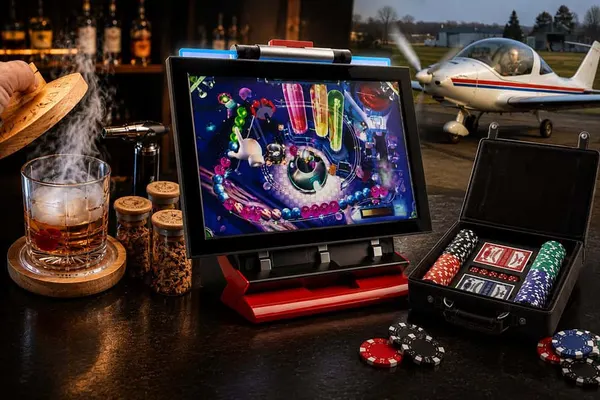
A purpose-built multi-game machine with a curated library is the right path. The JVL ECHO HD3 ships with 149 pre-installed games across multiple categories — action, cards, puzzle, strategy, trivia, adult — designed to satisfy nearly every play style without needing to add anything. Curation typically beats quantity for actual enjoyment.