Gift Experiences vs. Material Gifts: What Affluent Buyers Really Want
Discover why the best gifts for affluent buyers aren't experiences or objects - they're investments that create ongoing connection, nostalgia, and joy for years to come.

Highlights
- Research from Cornell and Harvard shows experiential purchases create more lasting happiness than material gifts
- The home arcade bridges both worlds: the emotional impact of an experience with the permanence of an object
- Affluent buyers increasingly want gifts that facilitate genuine connection, not just more consumption
- The best luxury gifts for people who have everything change how they spend their time — not what they own
The gift sits unopened on Mark's desk - a leather portfolio embossed with his initials. Beautiful. Thoughtful. Expensive.
He'll use it twice, maybe three times. Then it will join the graveyard of well-intentioned presents gathering dust in his closet: the monogrammed cufflinks, the artisan pen set, the designer watch winder for watches he never wears.
Linda faces the same ritual every holiday season. Her daughters ask what she wants. She says "nothing" and means it. What do you buy someone who already owns everything they need and most of what they want?
It's the question that haunts every gift-giver shopping for affluent friends, parents, or partners. And for the last decade, the answer seemed obvious: give them an experience instead.

The Experience Economy Revolution (And Why It's Not Enough)
We've been told the story so many times it feels like truth: experiences create lasting memories while material gifts fade into the background of daily life. Concert tickets instead of another sweater. A wine-tasting weekend instead of crystal glasses. A hot air balloon ride instead of... well, instead of anything sitting in a box.
The research seemed to confirm it. Studies from Cornell, University of Colorado, even Harvard, all suggesting that experiential purchases made people happier than material ones. The logic was elegant: experiences can't be compared as easily as objects, they improve with retelling, and they become part of your identity rather than just your inventory.
For people who have everything, experiences felt like the ultimate solution.
But something interesting happened as the experience economy matured. As affluent buyers filled their calendars with cooking classes, adventure travel, and VIP events, a quieter truth began to emerge. Not all experiences delivered on their promise. And not all material gifts were created equal.
The spa day ended. The concert became a memory that faded faster than expected. The destination dinner was exquisite and then it was over, leaving nothing but a credit card charge and some iPhone photos that would never be looked at again.
Meanwhile, some objects - certain kinds of objects kept delivering long after the wrapping paper hit the recycling bin.
The Real Problem Isn't Material vs. Experience
Here's what the studies missed: The question was never really about experiences versus objects. It was about what creates ongoing meaning versus what doesn't.
A generic material gift, no matter how expensive is just an object. It might be beautiful, functional, even impressive. But it sits there, static, waiting to be used or admired or, more often, ignored.
A one-time experience, no matter how extraordinary is just a moment. It can be magical, transformative, unforgettable. But then it ends, and you're left with a story that shrinks a little more each time you tell it.
The gifts that actually matter to people who have everything fall into neither category. Or rather, they fall into both.
They're what we might call experience enablers material investments that don't just sit there but actively create ongoing experiences. Items that transform from purchases into portals. From objects into rituals. From things you own into things you use to connect, play, escape, or gather.
Think about the difference:
A massage gift certificate gets used once. A quality massage chair becomes a nightly ritual.
Concert tickets create one memorable evening. A premium sound system creates a thousand evenings of connection with music.
A cooking class lasts three hours. A handcrafted pizza oven becomes the reason your family gathers every Sunday.
What Affluent Buyers Actually Value
When you look at what truly resonates with people who've moved beyond basic needs and even beyond most wants, a pattern emerges. They're not looking for more stuff. But they're also not looking for fleeting moments that disappear into the scroll of their memory.
They're looking for catalysts. For memory factories. For investments that keep giving long after the initial delight fades.
This is why some of the most cherished "material" gifts in affluent homes aren't really material at all - they're infrastructure for joy. The poker table that hosts monthly games. The outdoor fire pit that transforms summer evenings. The wine cellar that makes every dinner party feel special. The home theater that replaces "going out" with "gathering in."
These aren't gifts you use once or display on a shelf. They're gravity wells objects with enough emotional mass to pull people into orbit around them. Places and pieces that make you the host, the curator, the keeper of spaces where connection happens naturally.
It's why the most thoughtful gift-givers have stopped thinking in terms of experiences or objects and started thinking in terms of ongoing enablement. What can I give that will still be creating moments six months, six years, even sixteen years from now?
The Rise of Heirloom Entertainment
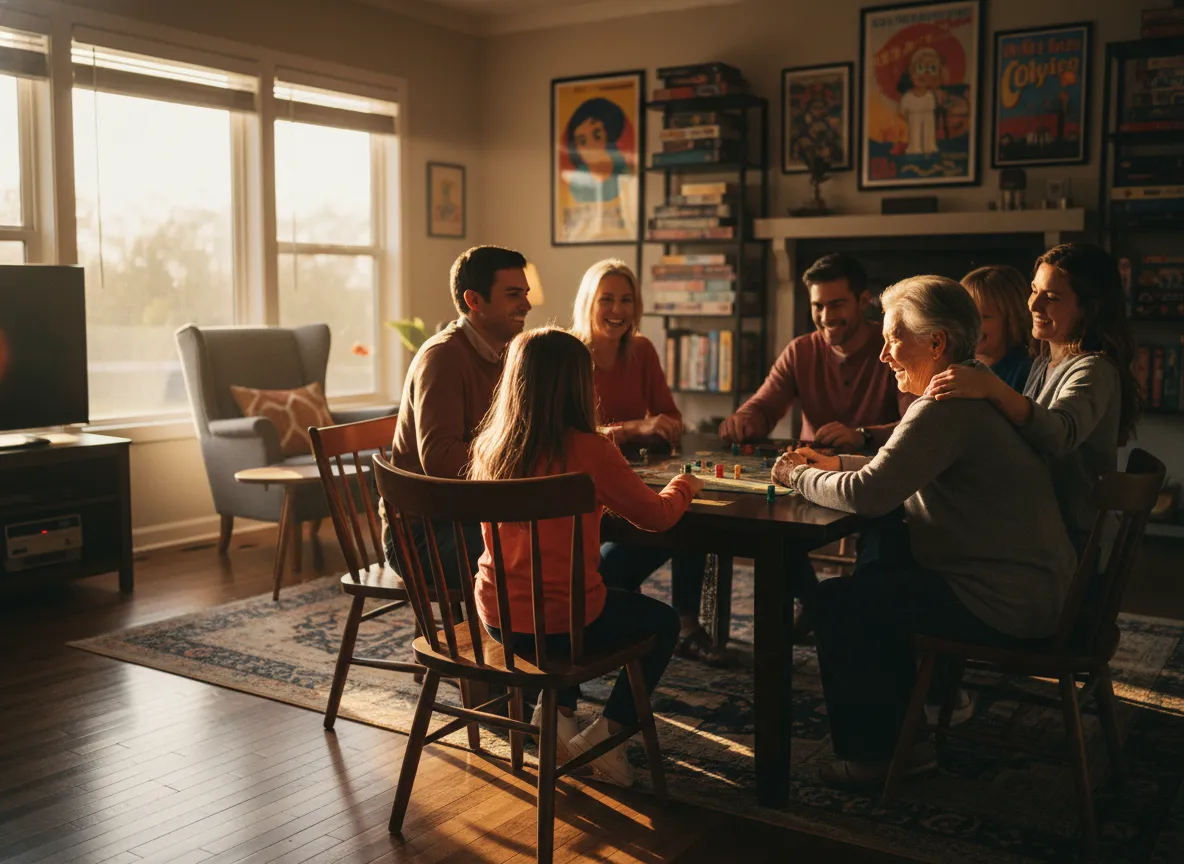
This shift is particularly visible in how affluent homeowners are thinking about entertainment and gathering spaces. The traditional man cave once just a TV and a leather recliner has evolved into something more intentional. Curated. Multi-generational.
It's why vintage jukeboxes, authentic pub dart boards, and premium game tables have become fixtures in homes worth seven figures. These aren't decorations. They're conversation starters that never run out of things to say.
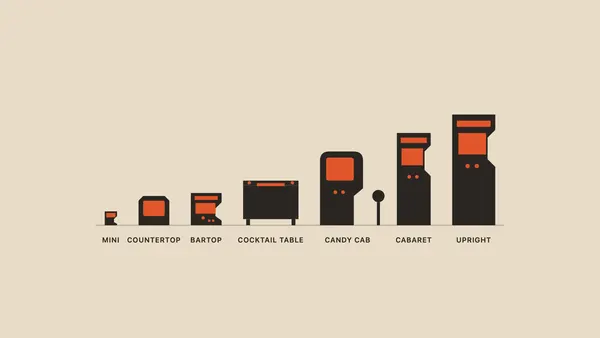
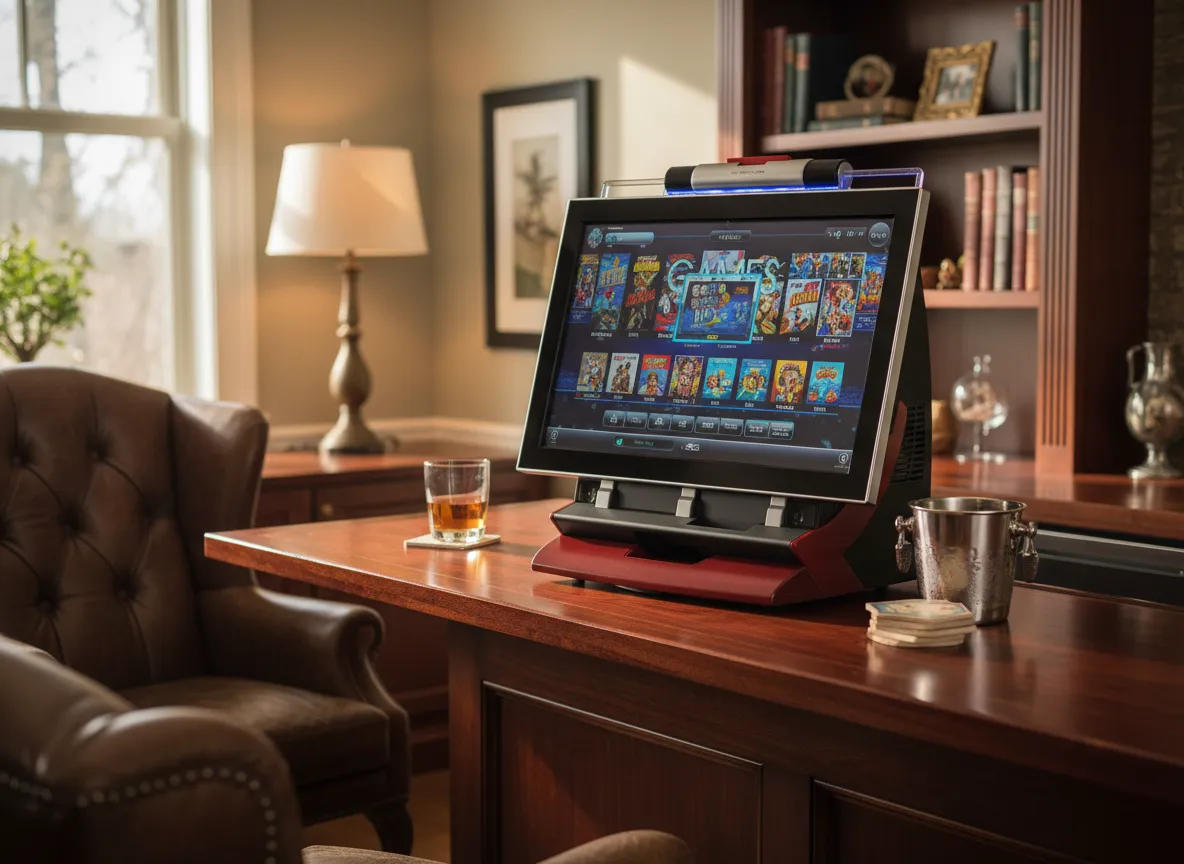
And it's why classic home arcade systems once dismissed as nostalgic novelties have quietly become one of the most sought-after centerpieces in sophisticated game rooms and home bars. Not the flashy, neon-soaked arcade cabinets of suburban pizza parlors, but premium tabletop and full-size units that blend craftsmanship with nostalgia.
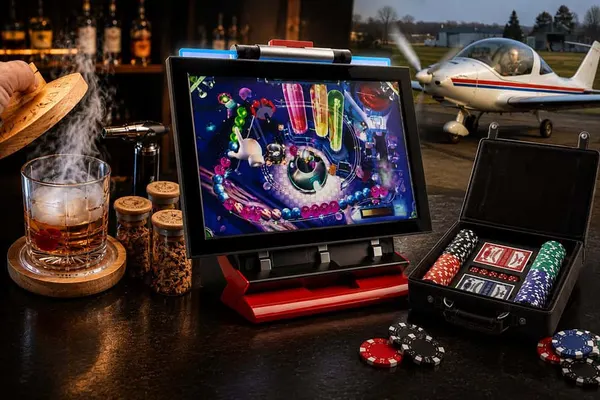
Systems like the JVL ECHO HD3 represent this new category of gift: beautifully designed, plug-and-play simple, and built to last decades. They're not about the technology. They're about what the technology facilitates, a reason for adult kids to visit, for old friends to gather, for grandparents to show grandchildren what fun looked like in 1987.
They turn your home into a destination instead of a departure point.
The experience vs. material debate missed this entirely: some purchases don't create one experience - they create an infrastructure for hundreds.
That's not materialism. That's strategic generosity. It's giving someone not just a thing, but a catalyst for connection. Not just an object, but an excuse.
Rethinking the Gift That Keeps on Giving
So what do affluent buyers really want?
They want the gifts that make them feel like the best version of themselves. The host who brings people together. The parent whose home kids still want to visit. The friend whose place feels like an escape from the ordinary.
They want investments that appreciate emotionally, even if they depreciate financially. Things that become part of family lore. "Remember when we stayed up until 2am playing..." "Remember when your grandfather finally beat you at..." "Remember the weekend we all..."
They want items that bridge generations instead of dividing them. That create natural gathering points instead of forced conversation. That make the home feel less like a museum of nice things and more like a memory factory in full production.
The best gifts for people who have everything aren't experiences or objects. They're time machines disguised as furniture. Gathering stones dressed up as entertainment. Legacy pieces that happen to be a lot of fun.

The next time you're shopping for someone who seems to have everything, ask yourself: Will this still be creating moments a year from now? Five years from now?
If the answer is yes, you've found something rare: a gift that's both material and experiential. An investment in ongoing joy.
And those are the only gifts worth giving to people who truly have everything.
Frequently asked questions
Do experiences make better gifts than material items?
Research from Cornell and Harvard consistently shows that experiential purchases create more lasting happiness than material gifts. The reason: experiences become part of who we are, while material items become part of what we own — and we adapt to ownership quickly. The happiness gap widens over time, not narrows.
What about gifts that combine experience and object?
These tend to outperform pure experiences in long-term satisfaction. A home arcade machine, a piano, a high-quality outdoor fire pit — all create ongoing experiences while remaining a tangible part of the home. The emotional impact of experience meets the permanence of an object. The JVL ECHO HD3 falls squarely into this category.
Why do affluent buyers increasingly choose experiential gifts?
Affluent buyers typically already own most of the material items they want. The next purchase that genuinely improves life is not more stuff — it's experiences and the moments those experiences create. Gifts that facilitate connection, gather family, or replace passive entertainment with active enjoyment outperform traditional luxury items in actual satisfaction.
What is the best gift for someone who has everything?
The best gift for someone who has everything is something that changes how they spend their time — not something that joins what they already own. A home arcade machine creates regular family gatherings, multi-generational play, and "one more game" evenings that produce lasting memories. The value is in the time spent, not the object itself.
Is a $3,990 arcade machine really a thoughtful gift?
When matched to the recipient, yes. For dads, grandparents, and empty nesters who specifically value home entertaining, shared experiences, and nostalgia for the arcade era, the ECHO HD3 is precisely the kind of gift that converts dollars into ongoing connection. It is not the right gift for someone who would barely use it — like any thoughtful gift, fit matters.