Is owning an arcade worth it?
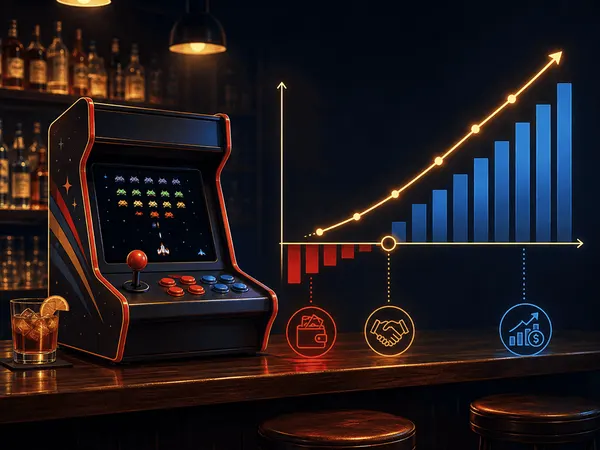
Owning an arcade can yield 15–25% annual returns, but takes $50,000–$150,000 upfront and up to 36 months to reach profitability.

Highlights
- Well-managed arcades can deliver annual returns of 15–25% for committed, active operators
- Initial investment is typically $50,000–$150,000 with 18–36 months to consistent profitability
- The decision extends beyond finances — community building, creative control, and lifestyle satisfaction matter
- Owners who approach it as a lifestyle business tend to thrive; those expecting passive returns tend to struggle
Owning an arcade is worth it for individuals who value the lifestyle, enjoy the entertainment industry, and can commit to active management. The investment provides potential annual returns of 15% to 25%, combined with the personal satisfaction of creating community gathering spaces and reliving nostalgic experiences.
The decision extends beyond pure financial returns. Arcade ownership offers lifestyle benefits that traditional investments cannot provide, including flexible scheduling, creative control over the entertainment environment, and the opportunity to build a recognized local destination.
Personal fulfillment factors:
Creating a gathering space for families and friends
Sharing nostalgic gaming experiences with new generations
Building relationships within the local community
Enjoying hands-on involvement with entertainment technology
Financial viability depends on realistic expectations. Arcade owners typically invest $50,000 to $150,000 initially and should expect 18 to 36 months before reaching consistent profitability. Those who view the business purely as passive income often face disappointment, while hands-on owners who enjoy the daily operations find greater satisfaction.
The lifestyle trade-offs matter significantly. Arcade ownership requires weekend and evening availability during peak traffic times, ongoing equipment maintenance, and continuous attention to customer experience. Individuals who thrive on customer interaction and problem-solving tend to find the work rewarding rather than burdensome.
Worth-it indicators include:
Passion for gaming culture and nostalgia
Desire for entrepreneurship with tangible community impact
Flexibility to work non-traditional hours
Access to adequate startup capital without overextending finances
Market conditions affect worthiness considerably. Locations with strong family demographics, limited competition, and complementary entertainment options provide better risk-reward profiles. Urban and suburban areas with growing populations typically offer more sustainable customer bases than declining markets.
What are the pros and cons of owning an arcade?
Owning an arcade offers significant lifestyle benefits and creative satisfaction but requires substantial time commitment and capital investment. The primary advantages include entrepreneurial independence, community connection, and potential for steady income, while disadvantages center on irregular hours, ongoing maintenance demands, and market competition.
Key advantages of arcade ownership:
Creative control over game selection and venue atmosphere
Flexible scheduling outside traditional 9-to-5 constraints
Community impact through family-friendly entertainment
Nostalgic fulfillment working with beloved gaming technology
Multiple revenue streams including parties, events, and concessions
Scalable growth potential through location expansion
The personal satisfaction element appeals strongly to enthusiasts. Arcade owners create spaces where families make memories, friends reconnect, and children experience classic gaming. This emotional return often matters as much as financial performance for passionate operators.
Primary disadvantages include:
High upfront investment of $50,000 to $250,000
Weekend and evening work during peak business hours
Continuous maintenance and equipment repair demands
Revenue seasonality with slower periods during school months
Competition from home gaming and mobile entertainment
Physical demands of managing equipment and customer service
The business requires active presence during profitable hours. Unlike passive investments, arcade ownership demands personal involvement in customer service, troubleshooting, and atmosphere management, particularly during evenings, weekends, and holidays when traffic peaks.
Equipment maintenance creates ongoing challenges. Arcade machines require regular cleaning, repair, and updates to maintain customer appeal. Owners must develop technical skills or budget for professional maintenance, adding to operational complexity.
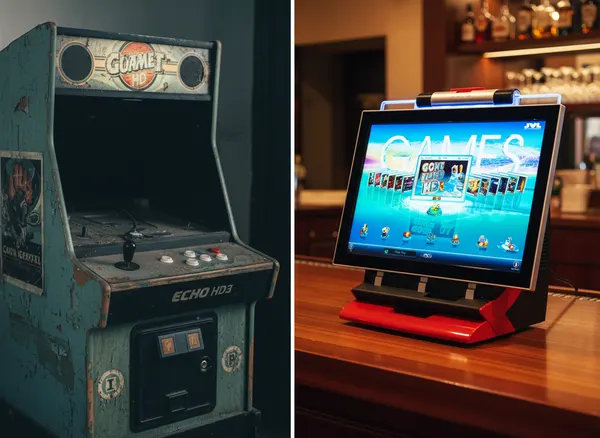
Market dynamics create additional considerations. The rise of sophisticated home entertainment, including premium home arcade systems, means modern arcades must offer experiences beyond what consumers can replicate at home. Successful owners focus on social atmosphere, variety, and unique attractions that justify leaving the house.
Is an arcade a good investment financially?
An arcade represents a moderate-risk investment with potential annual returns of 15% to 25% for well-managed operations in strong locations. Compared to passive investments like index funds, arcades require significantly more time and expertise but offer comparable or superior returns when operated effectively.
Financial performance depends heavily on operator involvement and market selection. Active owners who optimize game mix, maintain equipment, and build community relationships typically achieve better returns than absentee investors relying on staff management.
Investment comparison:
Initial capital: $50,000 to $150,000 for small to medium operations
Expected annual return: 15% to 25% after reaching profitability
Breakeven timeline: 18 to 36 months in most markets
Risk level: Moderate to high, depending on location and competition
The investment provides both income and asset accumulation. Well-maintained arcade equipment retains 40% to 60% of purchase value over five years, while the business itself builds enterprise value through established customer base and operational systems.
Cash flow characteristics differ from traditional investments. Arcades generate monthly revenue but require ongoing reinvestment in equipment updates, maintenance, and marketing. Owners should expect to retain 30% to 40% of profits within the business during growth phases.
Financial advantages:
Tangible asset ownership with resale potential
Multiple exit strategies including sale or equipment liquidation
Tax benefits through depreciation and business expense deductions
Inflation resistance as entertainment pricing adjusts with economy
Financial risks include:
Market shift toward home entertainment options
Local competition from new entertainment venues
Equipment obsolescence requiring capital refreshes
Economic downturns reducing discretionary spending
The investment suits individuals seeking business ownership over passive returns. Those who enjoy operations, customer service, and continuous improvement find arcades financially rewarding. Investors seeking hands-off income should consider alternative opportunities.
Location quality dramatically affects investment returns. Prime retail positions near family destinations, entertainment districts, or high-traffic shopping areas command premium rents but generate substantially higher revenue per square foot. Budget locations with lower rent may struggle to attract sufficient traffic for profitability.
What skills do you need to run an arcade successfully?
Running an arcade successfully requires a blend of technical aptitude, customer service skills, and business management capabilities. The most critical skills include basic electrical and mechanical troubleshooting, financial management, marketing creativity, and the interpersonal abilities to create welcoming environments for diverse age groups.
Essential technical skills:
Equipment maintenance including basic electronics and mechanical repair
Troubleshooting to diagnose and resolve game malfunctions quickly
Technology comfort with point-of-sale systems and card readers
Safety management ensuring proper electrical and structural compliance
Technical competence matters significantly because arcade machines require regular maintenance. Owners who can perform routine repairs save thousands annually compared to those relying entirely on professional service. The skill set includes understanding coin mechanisms, monitor adjustments, and control panel repairs.
Critical business management skills:
Financial tracking for revenue analysis and expense control
Inventory management for prizes, parts, and supplies
Pricing strategy to optimize revenue per machine and customer
Vendor relationships for equipment purchases and repairs
Staff management including hiring, training, and scheduling
Customer service abilities determine long-term success. Arcade owners must create welcoming atmospheres where families feel comfortable, children stay safe, and adults enjoy nostalgia. This requires patience, conflict resolution skills, and genuine enthusiasm for customer experience.
Marketing creativity separates thriving arcades from struggling ones. Successful owners develop social media presence, create memorable events, build email lists, and establish partnerships with schools and community organizations. Digital marketing skills, including photography and content creation, enhance visibility significantly.
The interpersonal dimension includes building relationships with regulars, handling complaints gracefully, and reading customer preferences to adjust game selections. Owners who genuinely enjoy customer interaction and view visitors as guests rather than transactions typically build stronger, more loyal customer bases.
Learnable versus innate skills:
Most technical and business management skills can be learned through practice, online resources, and industry networking. The passion for gaming culture and genuine hospitality prove harder to develop, making them valuable pre-existing qualities for prospective owners.
Is arcade ownership right for me as a lifestyle choice?
Arcade ownership fits individuals who value entrepreneurial independence, enjoy customer interaction, and prefer active business involvement over passive investment. The lifestyle suits people comfortable working evenings and weekends, passionate about gaming culture, and energized by creating community gathering spaces.
Ideal personality traits for arcade owners:
People-oriented with genuine enjoyment of customer service
Problem-solving mindset for equipment and operational challenges
Flexibility accepting non-traditional work schedules
Hands-on approach preferring active involvement over delegation
Patience managing diverse customers including children and families
The daily reality involves split schedules weighted toward peak hours. Typical owners work Tuesday through Saturday, with longest days during Friday and Saturday evenings when families and friend groups visit. Those requiring strict 9-to-5 schedules or who dislike weekend work will find the lifestyle challenging.
Physical demands require consideration. Arcade ownership involves standing for extended periods, moving equipment, cleaning machines, and occasionally lifting heavy components. The work suits individuals comfortable with light physical labor alongside customer service duties.
Lifestyle benefits include:
Flexible daytime hours for personal appointments and errands
Creative satisfaction from curating game selections and atmosphere
Community recognition as a local entertainment destination
Family involvement potential with spouse or children participation
Nostalgic immersion working daily with beloved gaming technology
The business allows integration of personal interests. Owners who loved arcade culture in the 1980s and 1990s often find deep satisfaction recreating those experiences for new generations. This emotional connection transforms daily work into personal mission rather than mere job responsibility.
Deal-breaker factors:
Dislike of customer-facing work or service industry dynamics
Preference for predictable, traditional business hours
Limited technical aptitude or aversion to equipment maintenance
Insufficient startup capital or risk tolerance
Expectation of passive income without active management
Financial lifestyle compatibility matters significantly. Arcade ownership typically requires 18 to 36 months before generating owner salary, meaning prospective owners need adequate savings or alternative income during the startup phase. Those overextended financially will experience excessive stress during the establishment period.
The decision often comes down to personal values. Individuals who prioritize experiences over conventional career paths, who want to create something tangible in their community, and who genuinely enjoy the entertainment industry find arcade ownership deeply rewarding. Those seeking primarily financial returns or traditional professional advancement should consider alternatives.
Home entertainment evolution affects the decision. Modern premium arcade machines for home use provide sophisticated experiences that were previously only available in commercial venues. Prospective arcade owners must honestly assess whether they can create sufficient value beyond what customers can achieve at home through superior variety, social atmosphere, and unique attractions.
Frequently asked questions
Is owning an arcade actually profitable in 2026?
Well-managed arcades can produce 15–25% annual returns for committed, hands-on operators. Initial investment is $50,000–$150,000 with 18–36 months to consistent profitability. Returns vary widely based on location, capital structure, and how actively the owner manages operations.
How long does it take to make money owning an arcade?
18–36 months to break even is typical for a well-located arcade. The first year is usually loss-making as the venue builds reputation and customer base. Year 2 generally reaches break-even. Year 3 and beyond produce the meaningful returns that justify the initial investment.
What makes some arcades profitable while others fail?
Location, capitalization, and operator engagement. Successful arcades have high foot traffic, sufficient operating reserves to survive the first 18 months, and owners who actively manage maintenance, marketing, and customer experience. Failed arcades typically lack one or more of these foundations.
What are non-financial reasons to own an arcade?
Community involvement, creative control, lifestyle satisfaction, and the chance to build something distinctive. Many successful arcade owners describe it as a lifestyle business — financial returns matter but so does enjoying the work. Owners who approach it purely for ROI tend to be disappointed; those who approach it as a meaningful project tend to thrive.
Should I open an arcade as my first business?
Probably not. Arcades have demanding economics, high upfront capital requirements, and ongoing operational complexity. They are usually a better fit for second-time entrepreneurs who have already learned to manage cash flow, vendors, employees, and customer issues. Operating experience from any service business transfers well.