How Empty Nesters Are Reimagining Their Homes for Entertainment
Discover how empty nesters are transforming quiet homes into vibrant entertainment spaces that blend luxury, nostalgia, and meaningful connection.

Highlights
- 73% of empty nesters renovate within two years of their last child leaving home
- Today's 55–72-year-olds are reclaiming space for entertainment and connection, not just aesthetics
- Home arcade machines anchor reimagined entertainment rooms, serving as social hubs for gatherings
- Empty nesters find that the right arcade machine converts formerly unused rooms into the home's most-visited space
The Sound of Silence
Mark stands in what used to be his daughter's room, now an immaculate guest bedroom that nobody uses. The house - all 3,800 square feet of it echoes differently these days. It's not emptiness, exactly. It's possibility.
Down the hall, Linda scrolls through another article about downsizing. But something doesn't sit right. They didn't work this hard, build this life, to shrink it now. They worked for this moment, when the house could finally become theirs again.
The Great Reimagining
Empty nest syndrome isn't what it used to be.
Where previous generations might have felt lost when the kids left, today's 55-to-72-year-olds see an invitation. An invitation to reclaim spaces, rediscover passions, and perhaps most surprisingly - to play again.
"We kept waiting for the sadness to hit," Linda tells her book club. "Instead, we started seeing rooms differently. Not as abandoned spaces, but as blank canvases."
The statistics back up what Mark and Linda are feeling. According to recent studies, 73% of empty nesters renovate within two years of their last child leaving. But here's what's changing: they're not just updating kitchens anymore. They're creating entertainment sanctuaries - spaces designed for connection, not just aesthetics.
From Storage to Stories
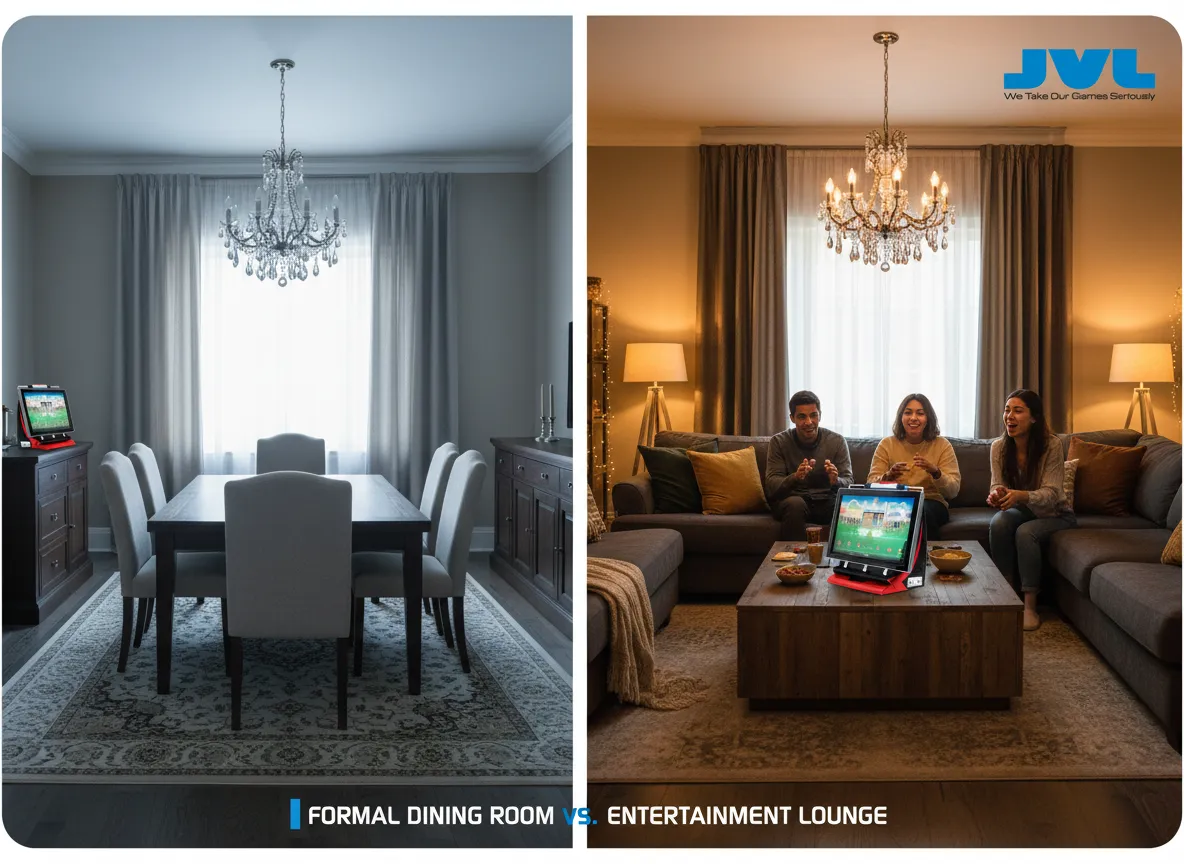
Walk through any upscale neighborhood in Missouri, Pennsylvania, or Colorado, and you'll find the same transformation happening behind those craftsman doors and colonial facades. Formal dining rooms becoming whiskey lounges. Spare bedrooms morphing into game rooms. Basements evolving from storage graveyards into social sanctuaries.
But this isn't about trends. It's about something deeper.
Dr. Jennifer Hayes, who studies lifestyle transitions at Northwestern, puts it simply: "This generation doesn't want to just have nice things. They want those things to create experiences. They're buying connection, not products."
Consider what's driving these changes:
The hosting instinct remains strong - but the nature of hosting has shifted from obligatory dinners to chosen experiences
Nostalgia has currency - not as escape, but as a bridge to authentic joy
Quality over quantity - fewer things, but each one meaningful, built to last, worthy of the space it occupies
It's why wine cellars are giving way to tasting rooms. Why home theaters now include vintage arcade corners. Why that formal living room nobody used is becoming the space where three generations can actually connect.
The Unexpected Renaissance of Play
Here's what nobody tells you about reaching this life stage: the permission to play returns.
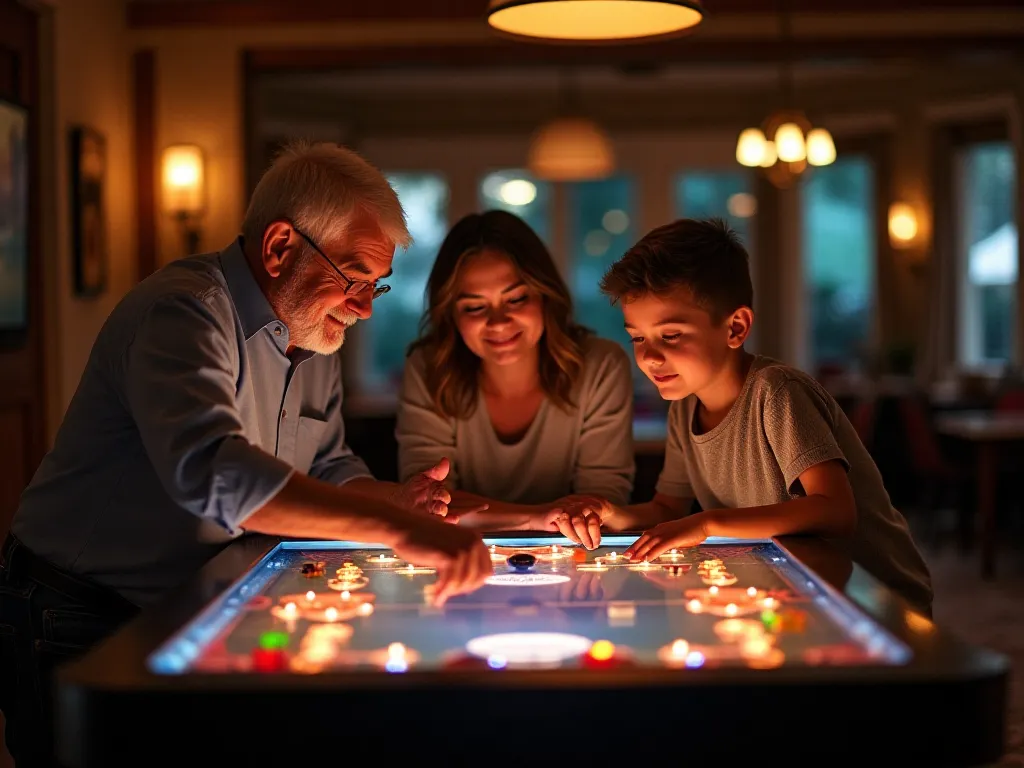
Not play as distraction. Not mindless scrolling or passive streaming. But real, tactile, social play - the kind that made Friday nights at the local pub memorable, that turned arcade visits into events, that made games a language of connection rather than isolation.
"We realized we'd been saving the 'good' spaces for occasions that rarely came," Mark explains, gesturing to what's now their entertainment den. "Thanksgiving twice a year? Maybe a cocktail party? Meanwhile, we had all these memories of the best times being the simplest gathering around something fun."
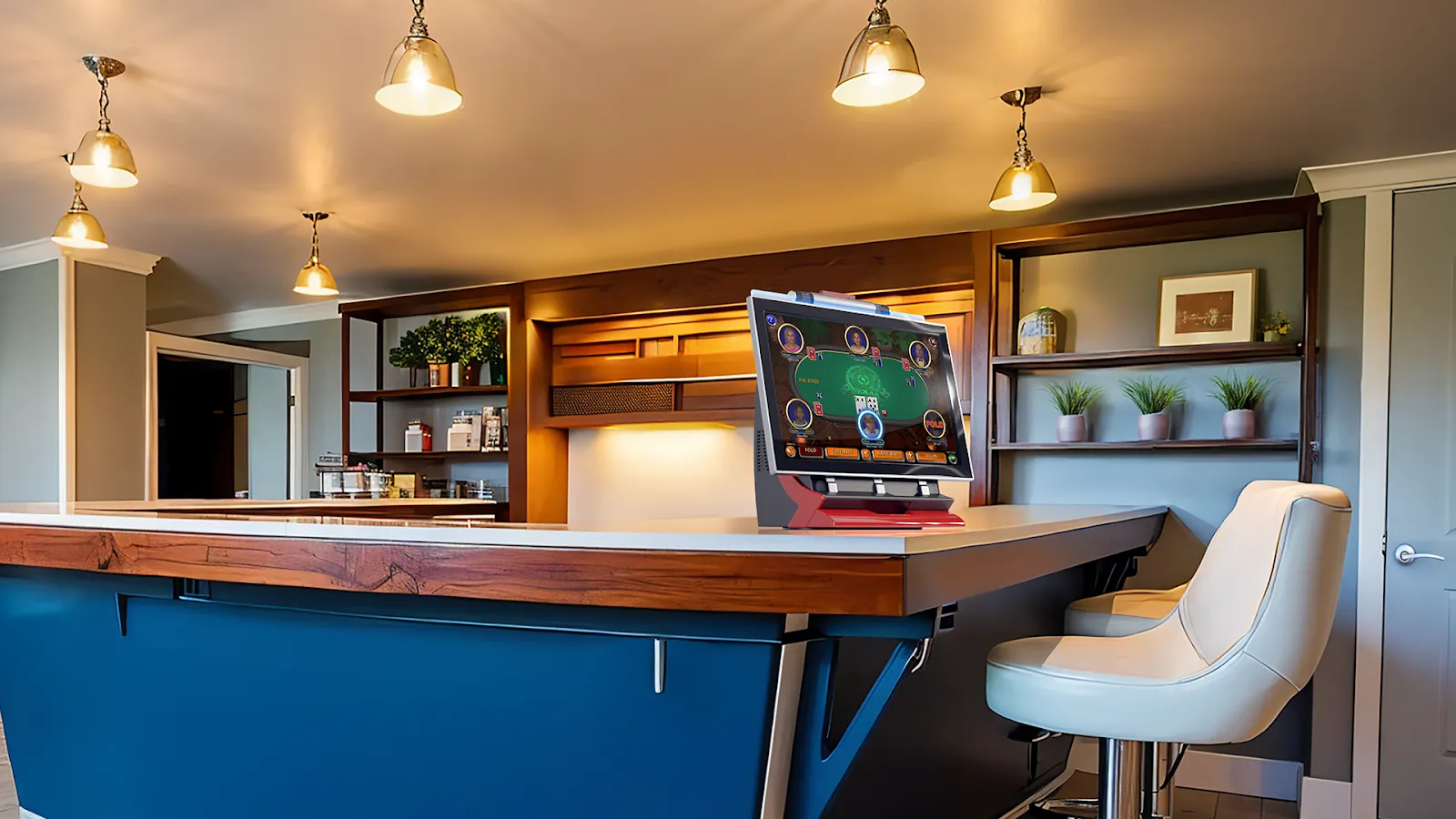
This shift is already reshaping the luxury home market. Interior designers report a 300% increase in requests for "entertainment-forward" renovations. But unlike the tech-heavy smart homes of the 2010s, these spaces blend analog warmth with modern convenience. Think handcrafted bar tops with built-in charging stations. Library ladders next to digital music systems. And yes - premium arcade experiences that feel more like furniture than gaming equipment.
The Quality Quotient
When you've spent decades accumulating, you learn the difference between having and experiencing.
This generation, the one that remembers when things were "built to last" is returning to that ethos. They're seeking what some designers call "heirloom entertainment": pieces that anchor a room not just visually, but emotionally.
The criteria has evolved:
It must spark conversation - not require explanation
It bridges generations - equally engaging for them and their grandkids
It's built with integrity - solid construction, reliable performance, minimal maintenance
It enhances, never dominates - complementing their carefully curated spaces
This is why certain categories are exploding: restored vintage jukeboxes, handcrafted game tables, and premium arcade systems that look nothing like the neon-lit boxes of the past. These aren't purchases - they're investments in ambiance, in memory-making, in the art of gathering.

Where Luxury Meets Legacy
Something beautiful happens when you stop apologizing for wanting nice things and start choosing things that matter.
In Colorado, a retired executive transformed his unused formal dining room into what he calls "the memory room", centered around a stunning bartop arcade system that looks more like custom furniture than gaming equipment. "My grandkids beg to come over now," he says. "Not for the games, but for the stories we tell while we play."
In Pennsylvania, a couple discovered that their new entertainment setup anchored by a premium touch-screen gaming table had become the unexpected star of their holiday gatherings. "Three generations, actually talking, actually laughing," she says. "When was the last time that happened naturally?"
This movement is quietly revolutionizing how we think about home entertainment. It's not about having the latest technology, it's about having the right technology, wrapped in craftsmanship that honors both the past and the present.
Companies that understood this early - those who remembered that entertainment is fundamentally about human connection - are seeing their nostalgic-but-modern designs become the centerpieces of these reimagined spaces. Machines like the ones that ruled social spaces in the '90s, now refined for home, combining 149 built-in classics with furniture-quality construction.
The Joy of Coming Full Circle
Mark and Linda's home doesn't echo anymore.
Their transformed space, what was once a rarely-used formal living room, now pulses with life every weekend. The centerpiece isn't the 75-inch TV or the imported bar cart. It's the memories being made around things that invite interaction, that reward presence, that make people put down their phones and pick up a challenge.
"We're not trying to recapture our youth," Linda clarifies, watching their grandkids discover games she played forty years ago. "We're trying to capture this right now and give it the setting it deserves."
The empty nest, it turns out, was never about loss.
It was about making room for what comes next.
Ready to explore how others are transforming their homes into entertainment destinations that matter? Discover the stories, the inspiration, and the unexpected ways that play is returning to sophisticated spaces.
Frequently asked questions
How many empty nesters renovate their homes after kids leave?
Industry surveys show approximately 73% of empty nesters undertake some form of home renovation within two years of their last child leaving. The motivation is rarely about resale value — it is about reclaiming and redesigning space around new life priorities, particularly entertainment, hobbies, and visiting family.
What kinds of rooms are empty nesters reimagining most often?
Former bedrooms become game rooms, home bars, hobby spaces, and dedicated entertainment areas. Kitchens are reconfigured for hosting rather than feeding a family. Basements become finished entertainment zones. The common theme: shifting from family-functional to host-functional spaces designed around adult enjoyment and visiting children/grandchildren.
Why are empty nesters investing in home entertainment specifically?
Three factors: (1) Disposable income tends to peak in the 55–72 age range; (2) Travel preferences shift toward fewer but more meaningful trips, leaving budget for home; (3) Grandchildren visits become a major motivator for creating spaces that draw extended family. Home entertainment investments serve all three at once.
What role does a home arcade play in this trend?
Home arcade machines have become a signature anchor in reimagined entertainment rooms. They serve as social hubs for adult gatherings, multi-generational draws when grandkids visit, and conversation pieces that distinguish a refined entertainment space from a basic finished basement. The JVL ECHO HD3 is purpose-built for this exact use case.
What kind of return do empty nesters get from these home investments?
The return is not financial — it is functional. Empty nesters who invest in shared-experience rooms report that those rooms become the most-visited spaces in the house. Former unused bedrooms become the place adult children and grandchildren consistently want to be when they visit. That kind of "return" outlasts most material spending.